Assessment
Dr. Tillman reviews your imaging and symptoms to program the Back on Trac system for your specific disc level and condition.

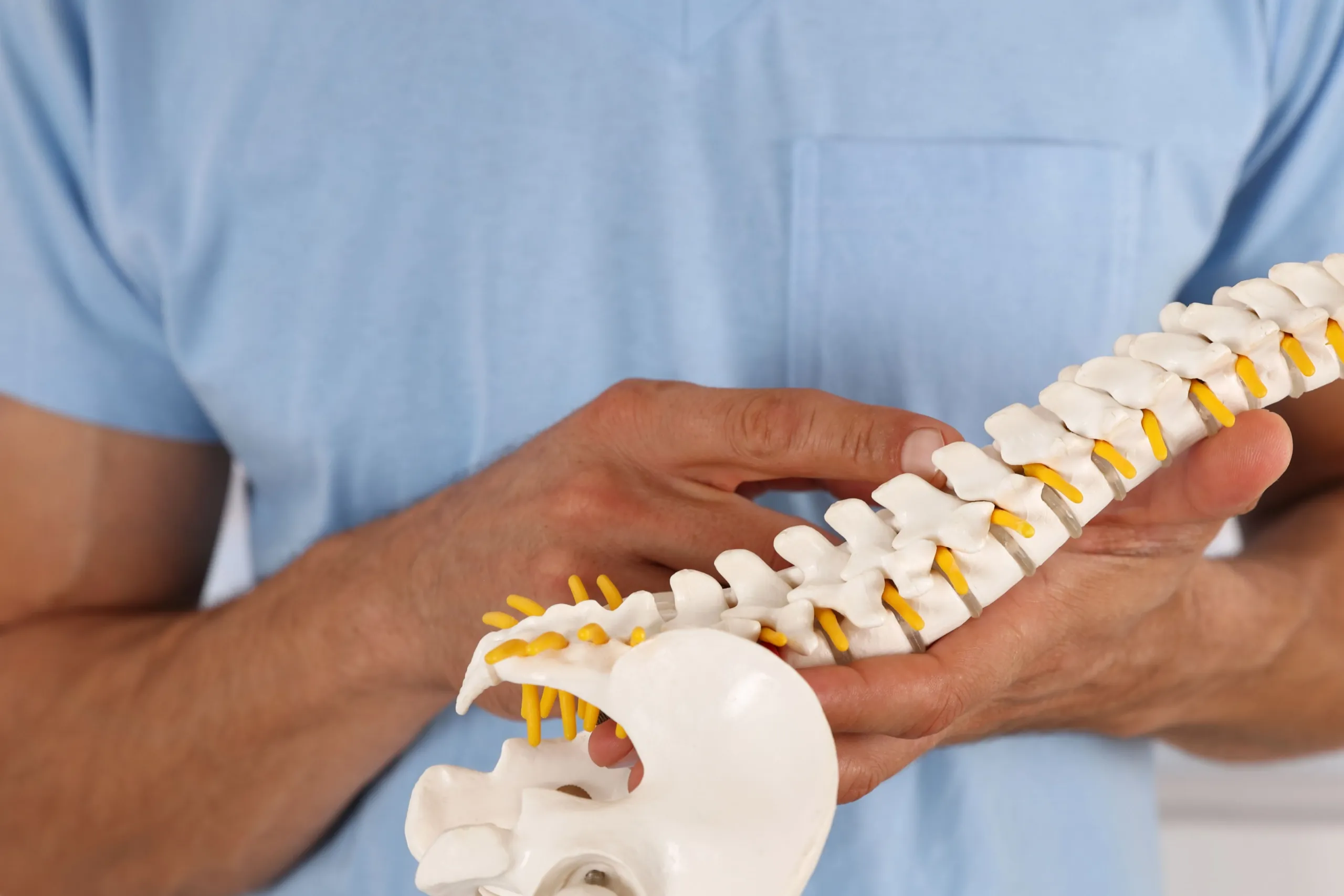
Non-surgical disc relief using computerized spinal decompression therapy.
Understanding Spinal Disc Compression
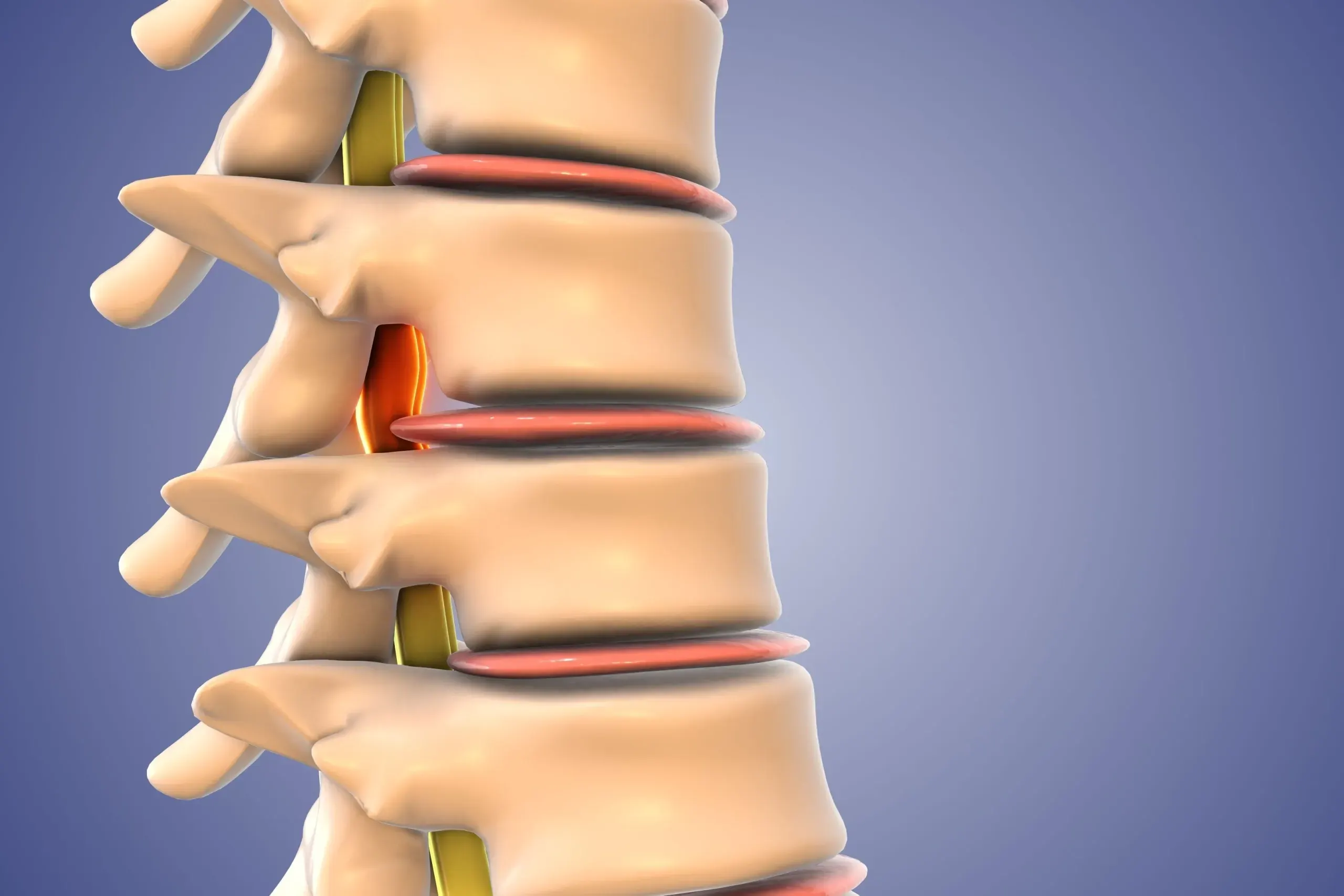
Herniated discs, bulging discs, and degenerative disc disease create constant pressure on spinal nerves that can radiate pain into your legs, hips, and feet. These conditions can make even simple activities like sitting at work, bending to pick up your child, or getting a restful night's sleep feel impossible. Many patients find that over-the-counter medications only mask the symptoms. Effective non-surgical back pain relief requires addressing the underlying disc compression, while the underlying compression continues to worsen over time. The persistent pain and limited mobility can affect your mood, your productivity, and your quality of life.
Spinal decompression with the Back on Trac system works by gently stretching the spine using precise, computerized cycles of distraction and relaxation. This creates negative intradiscal pressure, which promotes retraction of herniated or bulging disc material and allows oxygen, water, and nutrient-rich fluids to flow back into the disc. Dr. Tillman can target specific spinal segments to relieve nerve compression, reduce inflammation, and support natural healing. Most patients experience progressive relief over a series of sessions and can return to their normal activities the same day. For patients with chronic pain conditions, decompression often serves as a key component of a broader treatment plan.
The Science of Disc Rehydration
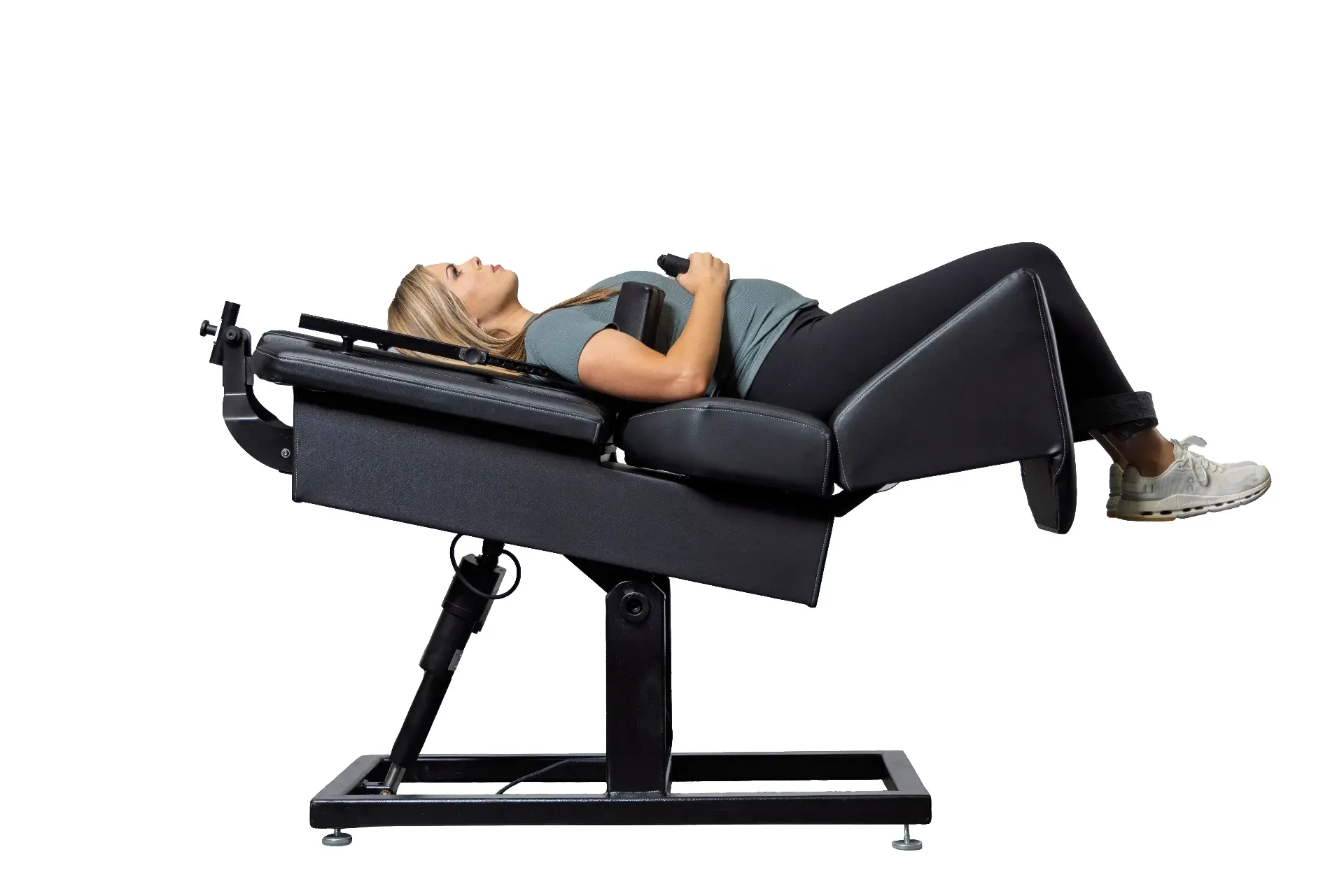
Spinal decompression is an FDA-cleared, non-surgical treatment that uses motorized traction to gently stretch the spine. The Back on Trac system is a computerized decompression table that applies precisely controlled distraction forces to targeted spinal segments, creating negative pressure within the intervertebral discs. This negative intradiscal pressure promotes the retraction of herniated or bulging disc material back toward the center of the disc.
The mechanism works through a principle called intradiscal pressure modulation. When the spine is gently stretched in controlled cycles, the vacuum effect draws nutrient-rich fluids, oxygen, and water back into dehydrated discs, supporting the body's natural healing process. Clinical research has demonstrated that spinal decompression can reduce intradiscal pressure from positive values to negative values as low as -150 mmHg, facilitating disc retraction and rehydration. This mechanism provides effective sciatica relief by reducing the nerve compression that causes radiating leg pain.
Non-Surgical Pain Relief
Avoid the risks, costs, and recovery time associated with spinal surgery
Return to your daily activities immediately after each treatment session
Address the root cause of pain without reliance on medications or injections
Computerized precision targets specific disc levels for maximum effectiveness
Progressive improvement with each session as discs rehydrate and heal naturally
Compare Your Options
| Treatment | Mechanism | Time | Results | Duration | Downtime | Best For |
|---|---|---|---|---|---|---|
| Spinal Decompression (Back on Trac) | Motorized negative intradiscal pressure | 10-20 min | 2-6 weeks | Long-term with maintenance | None | Herniated/bulging discs, sciatica |
| Chiropractic Adjustments | Manual joint mobilization | 15-20 min | Immediate to days | Ongoing maintenance | None | Joint misalignment, general back pain |
| Physical Therapy | Exercise and manual therapy | 45-60 min | 4-8 weeks | Long-term with home program | None | Weakness, mobility issues, rehab |
| Surgical Intervention | Discectomy or fusion | 1-3 hours | 6-12 weeks recovery | Permanent (variable) | 6-12 weeks | Severe cases unresponsive to conservative care |
Finding Your Path to Pain Relief
Spinal decompression with the Back on Trac system is ideal for patients experiencing persistent back pain caused by disc-related conditions who want to avoid surgery. During your consultation, Dr. Tillman will evaluate your spinal health, review any imaging you bring in from another provider, and assess your symptoms to create a personalized treatment plan.
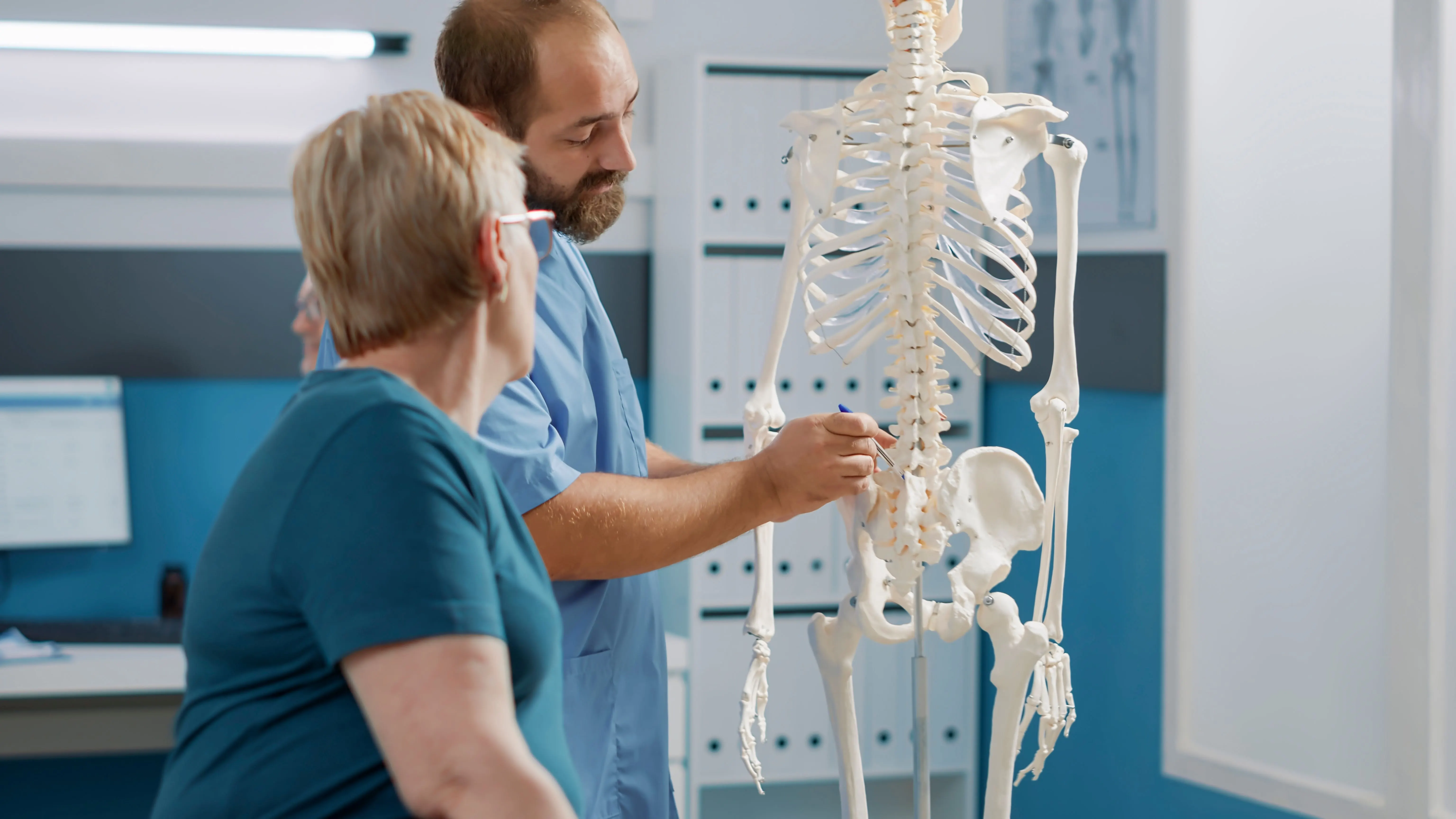
Dr. Tillman conducts a thorough evaluation before beginning any decompression protocol to ensure the treatment is safe and appropriate for your specific condition.
Dr. Tillman reviews your imaging and symptoms to program the Back on Trac system for your specific disc level and condition.
You are comfortably secured on the Back on Trac table with an ankle harness, and Dr. Tillman sets the precise angle and force for your treatment.
The computerized system gently cycles between stretching and relaxation phases, creating negative intradiscal pressure over 10-20 minutes.
Dr. Tillman reviews your response, provides aftercare guidance, and may recommend complementary chiropractic adjustments or exercises.
What to Know
Spinal decompression is widely regarded as a safe, non-invasive treatment. The most common side effects include mild muscle soreness or aching in the treated area, which typically resolves within 24 to 48 hours as the body adjusts to the changes in spinal alignment and disc pressure.
Some patients may experience temporary muscle spasms or a brief increase in stiffness following the first few sessions. These effects are a normal part of the body's adaptation process and generally diminish as treatment progresses.
Serious complications are rare when the treatment is administered by a qualified provider using proper protocols. The Back on Trac system is FDA-cleared and designed with built-in safety sensors that monitor force and patient response throughout each session.
Dr. Tillman's training in chiropractic care, physical therapy, and spinal biomechanics ensures that decompression protocols are carefully calibrated to your tolerance and condition, minimizing risk and maximizing therapeutic benefit. Patients may also benefit from complementary chiropractic adjustments to support their recovery.
Spinal decompression in Alma, GA ranges from $20 to $35 per session, depending on the treatment protocol and number of sessions recommended. A full treatment series usually consists of 12 to 20 sessions over 4 to 6 weeks. Several factors influence your total investment, including the severity of your disc condition, the number of spinal levels being treated, and whether complementary therapies such as chiropractic adjustments or physical therapy are included in your plan. During your consultation, Dr. Tillman will provide a personalized quote based on your specific treatment needs.
Roots Chiropractic and Wellness is a cash-pay practice. Pricing is flat and transparent:
Alma's Trusted Spinal Care Provider
Back on Trac spinal decompression precisely relieves disc pressure, helping reduce nerve compression and improve spinal function
State-of-the-art decompression system designed for safe, controlled, and effective treatment of disc-related conditions
Personalized decompression protocols based on your condition, imaging, and response to care
Focused on correcting underlying disc issues to support lasting pain relief, mobility, and spinal stability
Complement your Spinal Decompression therapy with these popular treatments.

Strengthen and recover with guided rehab

Soothe sore muscles and improve circulation
Your Questions Answered
Most treatment plans involve 12 to 20 sessions over 4 to 6 weeks. During your initial evaluation, Dr. Tillman will assess your condition and recommend a treatment schedule tailored to your specific needs and goals.
Most patients find spinal decompression comfortable and relaxing. The Back on Trac system applies gentle, controlled stretching forces. Some patients even fall asleep during sessions. Mild soreness after the first few treatments is normal and typically resolves quickly.
Yes, spinal decompression pairs well with chiropractic adjustments and physical therapy for comprehensive spinal care. Dr. Tillman can create an integrated treatment plan that addresses your disc condition alongside any joint misalignment or muscular imbalances.
Many patients experience lasting relief following a complete treatment series, especially when combined with recommended exercises and periodic maintenance sessions. Results depend on your condition's severity, overall health, and adherence to your aftercare plan.
The Back on Trac system uses computerized, cyclical decompression with precise force control, which is designed to create negative intradiscal pressure. Traditional traction applies continuous, sustained force that may trigger protective muscle guarding. The computerized cycling helps the body relax into the stretch for more effective disc decompression.