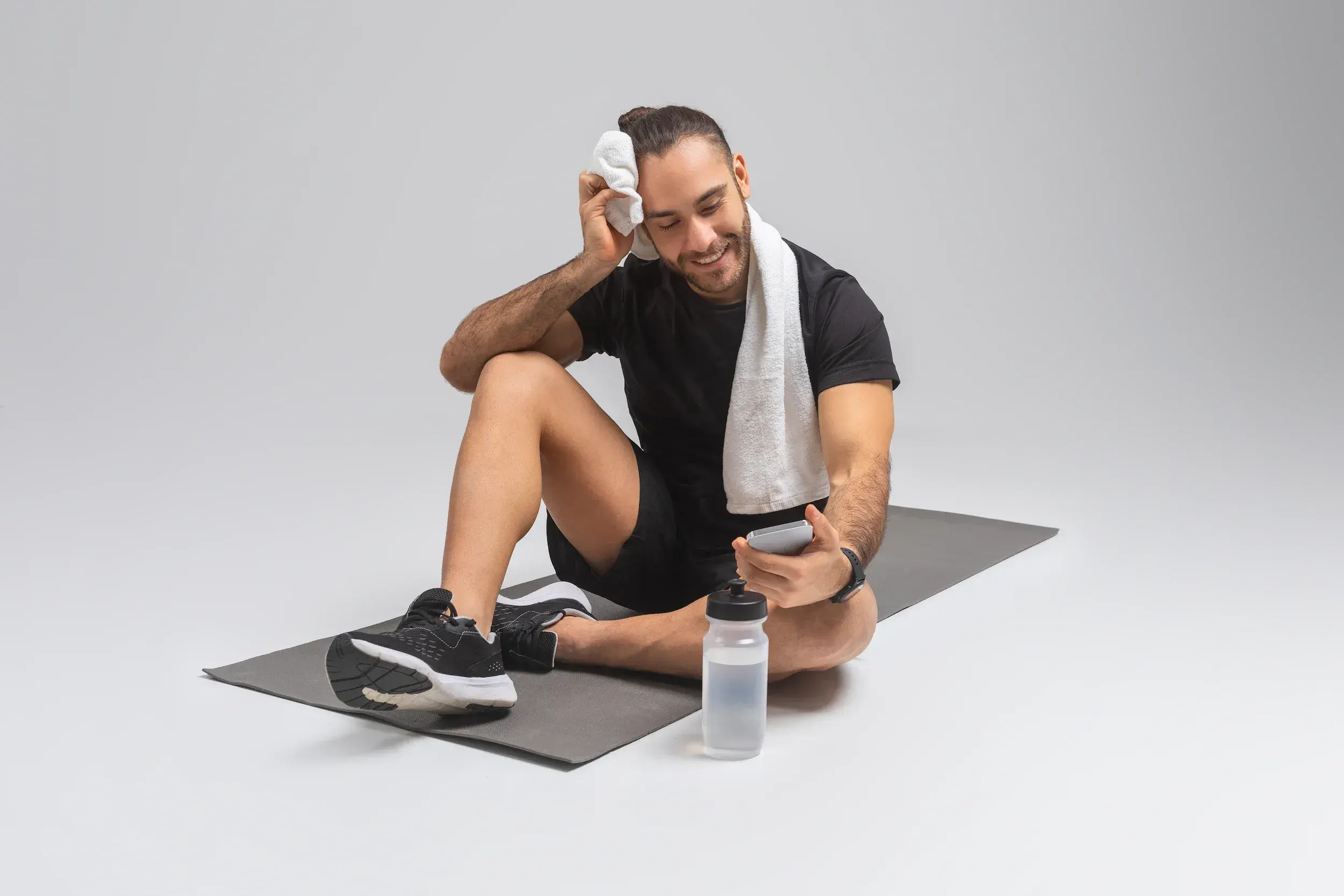
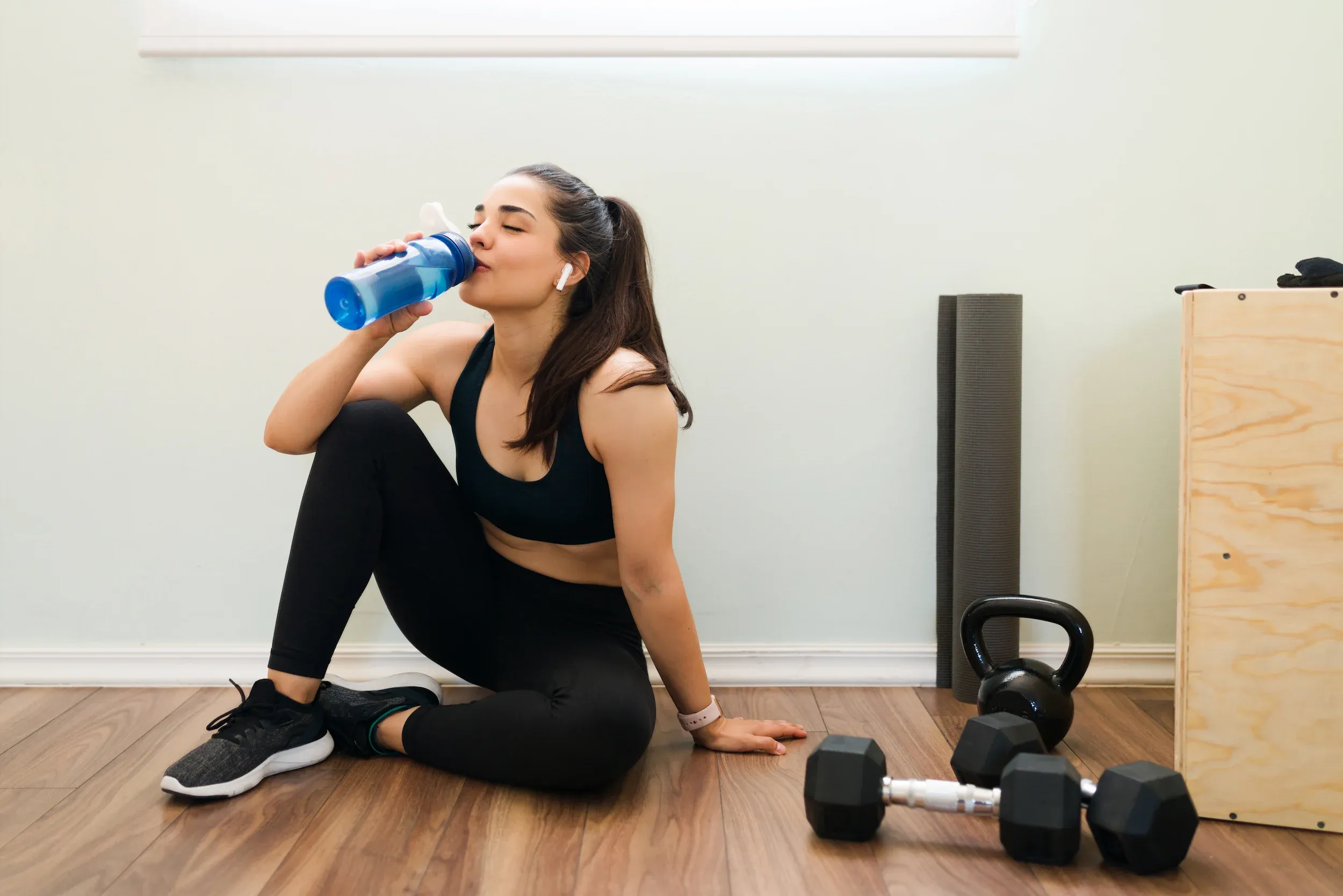
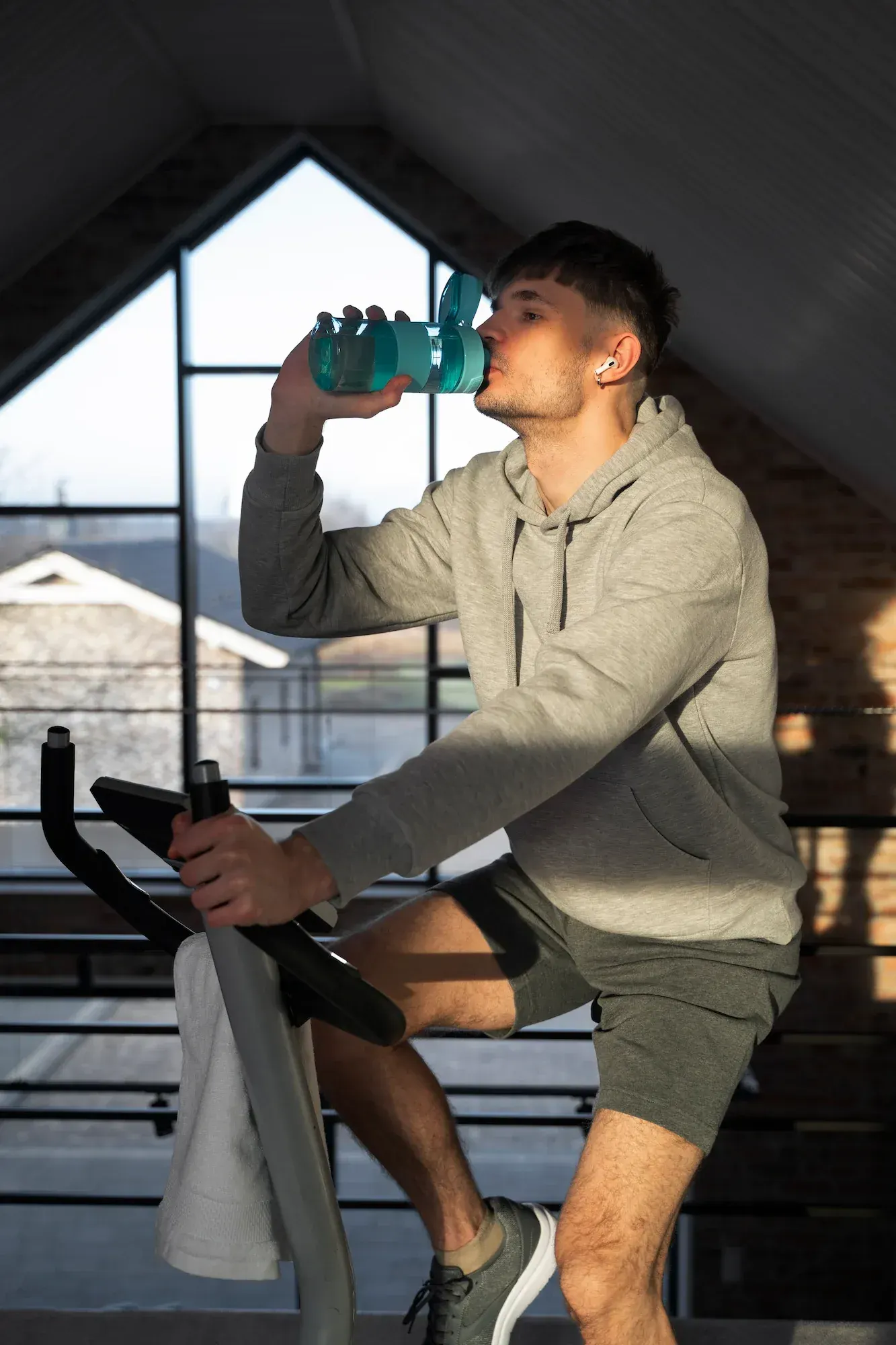

Active patient addressing post-workout recovery at Roots Chiropractic and Wellness Alma

Post-Workout Recovery Treatment in Alma, GA

Recover Faster and Perform Better

Common In:Active Adults & Athletes
Primary Causes:Microtrauma, Inflammation, Lactic Acid
Treatment Time:15-60 minutes
Results:Immediate to 48 hours
Post-workout recovery session using advanced wellness technology in Alma GA

What Is Post-Workout Recovery?

Recognizing the Signs

Post-workout recovery treatment in Alma, GA helps active individuals overcome the physiological challenges of exercise-induced muscle microtrauma. Post-workout recovery refers to the process your body undergoes to repair muscle damage, clear metabolic byproducts, and restore homeostasis. This complex process involves tissue regeneration, inflammation resolution, and neuromuscular recalibration that determines how quickly you return to peak performance.

When you feel that deep soreness 24 to 48 hours after a tough workout, you are experiencing delayed onset muscle soreness (DOMS). Our hydromassage therapy provides immediate relief for sore, fatigued muscles.

Many active individuals describe feeling "stuck" in a cycle of training hard but never feeling fully recovered, noticing that their performance plateaus or that minor aches accumulate over time. Without proper recovery support, these issues can progress from temporary discomfort to chronic musculoskeletal dysfunction.

Illustration of muscle recovery physiology at Roots Chiropractic and Wellness Alma

Why Post-Workout Recovery Matters

Understanding the Root Causes

During exercise, skeletal muscle fibers sustain microscopic tears at the sarcomere level, the basic contractile units of muscle tissue. Under normal conditions, satellite cells activate within 12 to 24 hours to begin repair, but intense or repetitive training can outpace this regeneration, leading to accumulated tissue damage and chronic inflammation.

This microtrauma triggers an inflammatory cascade involving prostaglandins and cytokines that causes swelling, tenderness, and stiffness. Red light sauna therapy accelerates cellular repair and helps resolve inflammation more efficiently than rest alone.

Your musculoskeletal system also relies on proper joint alignment and fascial mobility to distribute forces evenly during movement. When spinal subluxations or soft tissue adhesions develop from repetitive exercise, they create compensatory movement patterns that increase strain on surrounding structures and further slow recovery.


Diagram showing fascia and neuromuscular recovery at Roots Chiropractic and Wellness

Fascia & Neuromuscular Recovery

How Soft Tissue Affects Performance

The fascial system is a continuous web of connective tissue that surrounds and interconnects every muscle, bone, and organ. Healthy fascia allows muscles to glide smoothly past one another during movement, but repetitive exercise can cause fascial adhesions. Compression and cupping therapy is particularly effective at releasing these deep tissue restrictions.

Neuromuscular recovery involves restoring proper communication between your nervous system and muscles. Exercise-induced fatigue temporarily impairs proprioception, the body's awareness of its position in space, which increases injury risk during subsequent workouts. Research shows that spinal misalignments can further disrupt these neural pathways, reducing muscle activation efficiency by measurable margins.

Blood flow and lymphatic drainage play equally critical roles in clearing exercise metabolites like lactic acid and hydrogen ions from muscle tissue. Restricted circulation from tight muscles, fascial restrictions, or joint dysfunction slows this clearance process, prolonging soreness and delaying the adaptive benefits of training.

Lifestyle factors affecting post-workout recovery at Roots Chiropractic and Wellness Alma

What Slows Post-Workout Recovery?

Identifying Your Triggers

01

Spinal Misalignment

Vertebral subluxations impair nervous system signaling to muscles, reducing the efficiency of repair processes and creating compensatory strain patterns that slow recovery.

02

Soft Tissue Adhesions

Repetitive training creates fascial restrictions and muscle knots that limit blood flow, trap metabolic waste, and prevent muscles from returning to their optimal resting length.

03

Inadequate Sleep

Growth hormone release peaks during deep sleep stages, and insufficient rest reduces tissue repair rates by up to 60 percent, significantly extending recovery windows.

04

Poor Hydration & Nutrition

Dehydration reduces blood volume and nutrient delivery to damaged tissues, while insufficient protein intake limits the raw materials available for muscle fiber reconstruction.

05

Overtraining

Training beyond your body's adaptive capacity without adequate rest days creates a cumulative deficit in tissue repair, leading to persistent inflammation and declining performance.

Roots Chiropractic and Wellness clinic interior in Alma Georgia

Why Choose Roots Chiropractic and Wellness

Expert Care in Alma

  • Muscle & Joint Recovery Assessments
  • Targeted Therapy & Stretching Techniques
  • Personalized Recovery Plans
  • Integrated Support for Performance & Wellness

Treatment Options Comparison

Finding Your Best Approach

Treatment Best For Session Time Results Timeline Maintenance
Sidmar Hydromassage Immediate muscle relief 15-30 min Immediate After each workout
PEMF and Red Light Sauna Therapy Cellular repair & inflammation 20-40 min 1-3 sessions Weekly
Cupping Therapy (MediCupping) Deep tissue release 30-45 min 24-48 hours Bi-weekly
Massage Therapy Full-body recovery 30-60 min Immediate Weekly to bi-weekly
Active person concerned about recovery at Roots Chiropractic and Wellness

You May Need Recovery Support If...

Recognizing When to Seek Help

  • Persistent Soreness
  • Declining Performance
  • Recurring Stiffness
  • Frequent Minor Injuries
  • Sleep Disruption

Frequently Asked Questions

About Post-Workout Recovery

01 Can I prevent post-workout soreness from getting worse?

Consistent stretching, proper hydration, adequate sleep, and balanced nutrition can all reduce the severity of post-workout soreness. However, accumulated soft tissue restrictions and spinal misalignments often require professional intervention to effectively address the underlying causes of prolonged recovery.

02 How do I know which recovery treatment is right for me?

A professional musculoskeletal assessment evaluates your individual training demands, movement patterns, and areas of restriction to recommend the most effective approach. Dr. Tillman can help determine whether hydromassage, PEMF therapy, cupping, massage, or a combination would best support your recovery goals.

03 How quickly will I notice improvement in my recovery?

Many patients notice immediate relief in muscle tension and improved range of motion after their first session. More significant changes in overall recovery speed and performance typically develop over two to four weeks of consistent treatment, as underlying restrictions and alignment issues are progressively corrected.

04 Is it normal for recovery to take longer as I get older?

Yes, natural aging processes reduce blood flow efficiency, slow cellular repair rates, and decrease the production of growth hormone that supports tissue regeneration. Understanding these changes helps in choosing appropriate recovery strategies that keep you active and performing at your best.

05 Can I combine multiple recovery treatments in one visit?

Absolutely. Many of our patients benefit from combining treatments such as a chiropractic adjustment followed by hydromassage or PEMF and red light therapy. Dr. Tillman can design a multi-modality recovery session tailored to your specific needs and time constraints.

06 What can I do at home between treatments to improve recovery?

Staying well-hydrated, prioritizing seven to nine hours of quality sleep, consuming adequate protein within 30 minutes of exercise, and performing gentle stretching or foam rolling on rest days all support faster recovery between professional treatments.

07 Do I need to stop training while receiving recovery treatments?

In most cases, no. Our recovery treatments are designed to complement your training schedule, not replace it. Dr. Tillman may recommend adjusting training intensity temporarily if significant restrictions or alignment issues are identified, but the goal is always to keep you active and progressing.

08 How does chiropractic care specifically help with workout recovery?

Chiropractic adjustments restore proper spinal alignment, which optimizes nervous system function and improves communication between your brain and muscles. This enhances blood flow to recovering tissues, reduces compensatory movement patterns, and allows your body to distribute training loads more evenly across muscle groups.

Location133 GA Hwy 32 Bypass, Suite A
Alma, GA, 31510

Schedule Your Consultation

Scientific References

  1. PubMed (PMID: 12617692 [VERIFY PMID]) - Delayed onset muscle soreness involves exercise-induced microtrauma to muscle fibers and surrounding connective tissue, triggering an inflammatory repair response that peaks 24-72 hours post-exercise.
  2. PubMed (PMID: 29755363 [VERIFY PMID]) - Massage therapy significantly reduces DOMS severity and improves functional recovery when applied within 2 hours of exercise, with effects sustained across multiple recovery metrics.
  3. PubMed (PMID: 25415413 [VERIFY PMID]) - Photobiomodulation therapy (red light and near-infrared) applied before or after exercise reduces muscle damage markers and accelerates recovery of maximum voluntary contraction strength.
  4. PubMed (PMID: 30468017 [VERIFY PMID]) - Cupping therapy demonstrates positive effects on reducing pain intensity and improving blood flow in athletes, supporting its use as a complementary recovery modality.
  5. Medical consensus - Spinal alignment and neuromuscular function are interconnected, with vertebral subluxations potentially impairing proprioception and motor control efficiency during athletic performance and recovery.