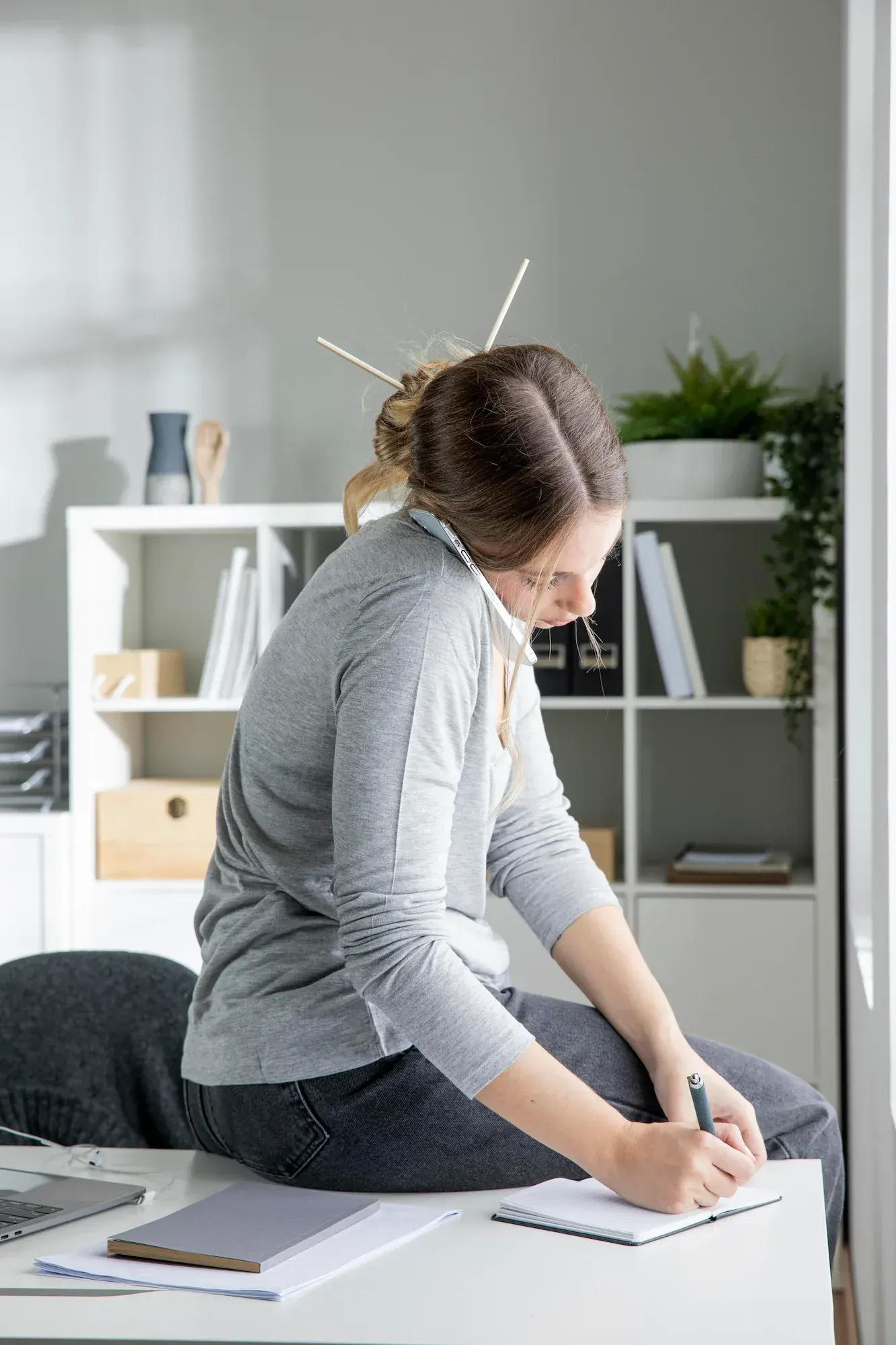



Healthy posture depends on a balanced relationship between the spine's natural curves, the supporting musculature, and proprioceptive feedback from the nervous system. When any part of this system is disrupted, compensatory patterns develop. Research shows that the average adult head weighs 10 to 12 pounds, but for every inch it shifts forward, the effective load on the cervical spine increases by roughly 10 additional pounds.
Prolonged sitting, especially in unsupported chairs, causes the hip flexors to shorten and the gluteal muscles to weaken, a pattern known as lower crossed syndrome. Children and adolescents are particularly vulnerable to developing these patterns early. Pediatric chiropractic care can help address posture problems before they become chronic.
Over time, spinal joints that remain in suboptimal positions undergo adaptive changes. Ligaments remodel to accommodate the abnormal posture, disc pressures redistribute unevenly, and the small stabilizing muscles of the spine deactivate. These structural adaptations make it progressively harder to maintain correct alignment without professional intervention.