

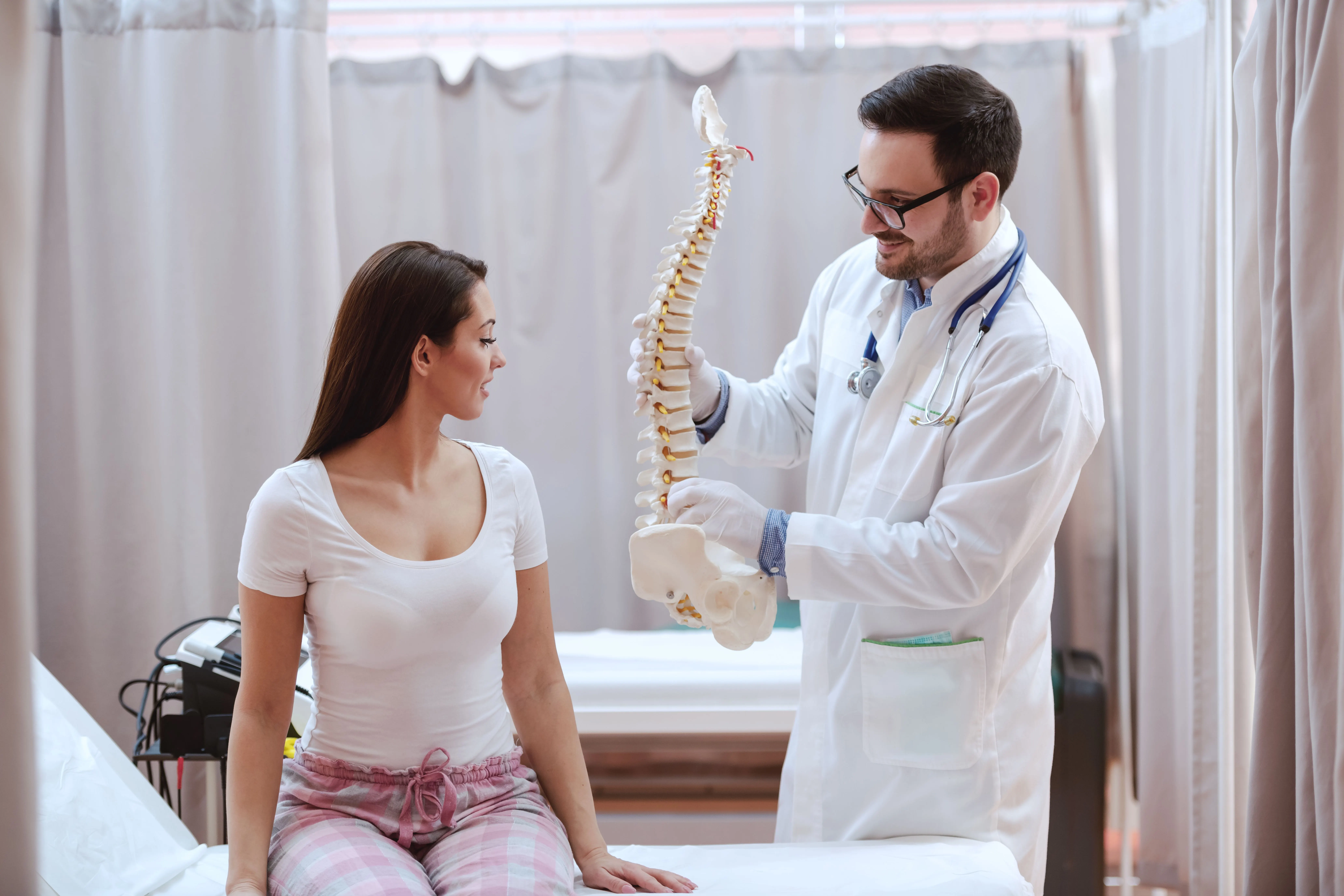
Non-surgical treatment for a herniated disc using decompression therapy in Alma, GA

Herniated Disc Treatment in Alma, GA

Reclaim Your Mobility and Comfort

Common In:Adults 30-55
Primary Causes:Aging, Injury, Repetitive Strain
Treatment Time:20-45 minutes
Results:Progressive over 4-8 weeks
Illustration of herniated disc anatomy at Roots Chiropractic and Wellness in Alma, GA

What Is a Herniated Disc?

Recognizing the Signs

A herniated disc, also called a slipped or ruptured disc, occurs when the soft, gel-like center (nucleus pulposus) of a spinal disc pushes through a tear in the tougher outer layer (annulus fibrosus). At Roots Chiropractic and Wellness in Alma, GA, we treat patients experiencing this condition, where displaced disc material can compress nearby spinal nerves, causing pain, numbness, or weakness that radiates into the arms or legs depending on the affected region of the spine.

When you feel a sharp, shooting pain that travels down your leg after bending or lifting, or notice tingling and numbness in your foot or hand, you may be experiencing the hallmark signs of a herniated disc. Spinal decompression therapy is one of the most effective non-surgical approaches for relieving this nerve pressure and promoting disc healing.

Many patients describe the experience as a constant ache that "never lets up," with sudden flare-ups that leave them unable to sit, stand, or sleep comfortably. The unpredictability of the pain can affect your work, your ability to exercise, and your overall quality of life.

Illustration of spinal disc degeneration process at Roots Chiropractic and Wellness Alma

Why Herniated Discs Happen

Understanding the Root Causes

Spinal discs serve as shock absorbers between vertebrae, consisting of a tough outer ring (annulus fibrosus) and a water-rich gel center (nucleus pulposus). In healthy adults, discs contain approximately 80% water, providing the cushioning and flexibility needed for daily movement. However, beginning around age 30, discs naturally lose hydration at a rate of about 1-2% per decade, making them increasingly vulnerable to tears and herniations.

This progressive dehydration, known as disc desiccation, weakens the structural integrity of the annulus fibrosus. As the outer fibers become brittle and less elastic, repetitive microtrauma from daily activities creates small tears that accumulate over time. Chiropractic adjustments help maintain proper spinal alignment, reducing the uneven mechanical loading that accelerates disc degeneration.

The lumbar spine (lower back) bears the greatest mechanical load during bending, lifting, and twisting, which is why approximately 90% of herniated discs occur at the L4-L5 or L5-S1 levels. When the herniated material contacts the nerve root, it triggers both mechanical compression and a chemical inflammatory response that amplifies pain signals.

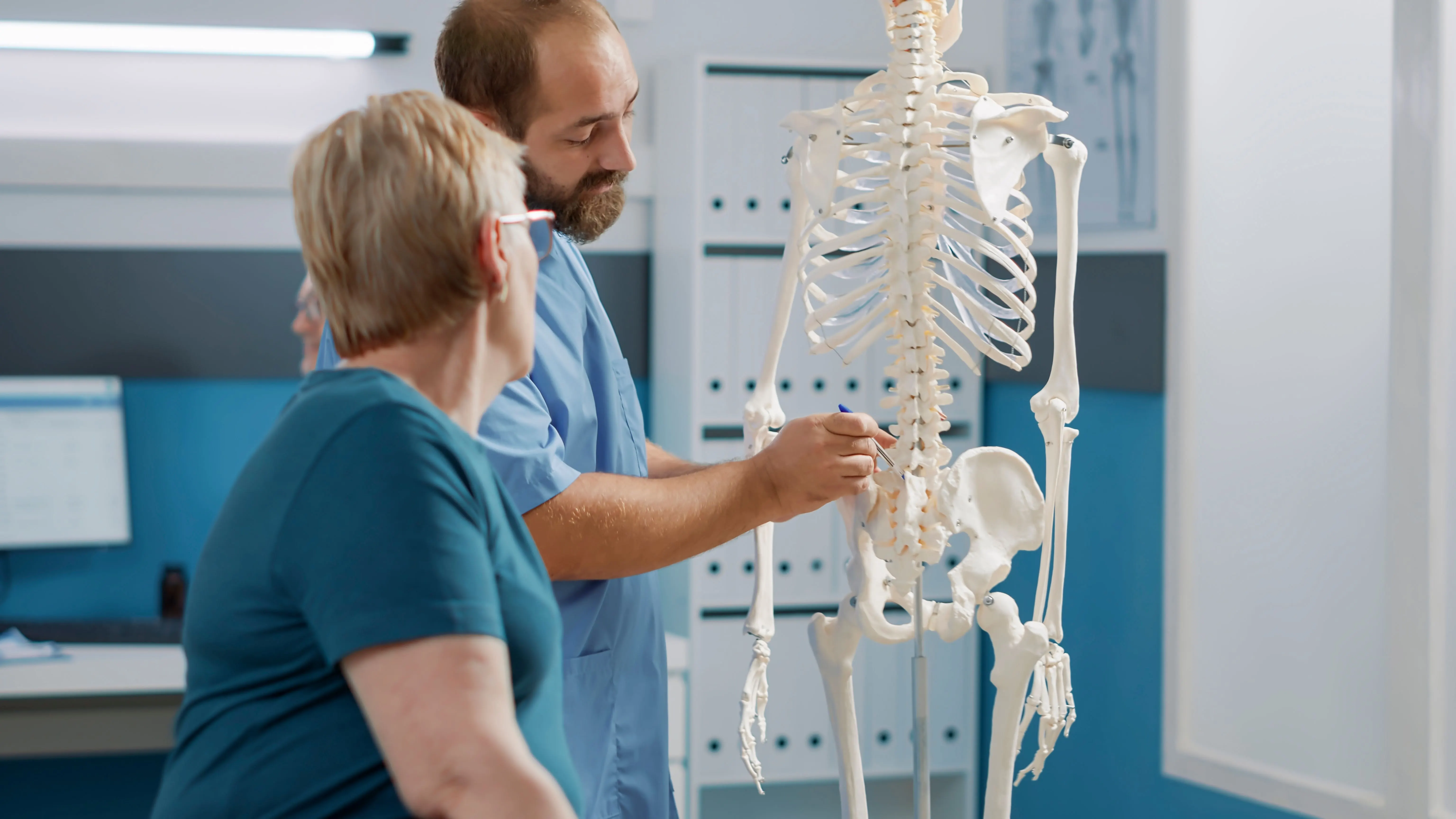
Diagram showing nerve compression from herniated disc at Roots Chiropractic and Wellness

Nerve Compression & Inflammation

How Disc Herniations Cause Pain

When a disc herniates, the displaced nucleus pulposus does more than just physically press on a nerve. The nucleus contains inflammatory proteins, including tumor necrosis factor-alpha (TNF-alpha) and interleukins, which trigger a chemical irritation of the nerve root. This neurochemical response is why some patients experience severe pain even when imaging shows only a small herniation.

Radiculopathy, the medical term for nerve root compression, produces a predictable pattern of symptoms based on which nerve is affected. An L5 herniation typically causes pain radiating down the outside of the leg and into the top of the foot, while an S1 herniation sends pain down the back of the leg into the heel. Physical therapy plays a critical role in strengthening the surrounding muscles and preventing re-injury once symptoms begin improving.

Prolonged nerve compression can lead to neurological changes including muscle weakness, diminished reflexes, and persistent numbness. Early intervention is important because chronic compression may result in nerve damage that becomes more difficult to reverse over time, making timely treatment critical for optimal recovery.

Lifestyle factors affecting disc health at Roots Chiropractic and Wellness Alma

What Accelerates Disc Herniation?

Identifying Your Risk Factors

01

Age-Related Degeneration

Natural disc desiccation reduces water content and elasticity over time, making the annulus fibrosus more prone to tears and herniations after age 30.

02

Repetitive Strain

Jobs or activities involving frequent bending, twisting, or heavy lifting place cumulative stress on spinal discs, accelerating wear and creating microtears in the outer ring.

03

Sedentary Lifestyle

Prolonged sitting increases intradiscal pressure by up to 40% compared to standing, weakening supporting muscles and reducing nutrient flow to the discs.

04

Excess Body Weight

Additional weight places disproportionate mechanical load on the lumbar spine, accelerating disc degeneration and increasing herniation risk.

05

Poor Posture & Ergonomics

Slouching, forward head posture, and improper workstation setup create uneven pressure distribution across spinal discs, concentrating stress on vulnerable areas.

Roots Chiropractic and Wellness clinic interior in Alma, Georgia

Why Choose Roots Chiropractic and Wellness

Expert Care in Alma

  • Detailed Spinal Imaging & Assessment
  • Targeted Decompression Therapy
  • Personalized Recovery Plans
  • Integrated Care for Long-Term Spinal Health

Treatment Options Comparison

Finding Your Best Approach

Treatment Best For Session Time Results Timeline Maintenance
Spinal Decompression Direct disc pressure relief 20-30 min 2-6 weeks As needed
Chiropractic Adjustments Spinal alignment correction 15-20 min 2-4 weeks Monthly
Physical Therapy Strength and flexibility 30-45 min 4-8 weeks Ongoing exercises
Patient concerned about back pain at Roots Chiropractic and Wellness

You May Have a Herniated Disc If...

Recognizing When to Seek Help

  • Radiating Leg Pain
  • Numbness or Tingling
  • Muscle Weakness
  • Pain with Movement
  • Difficulty Sitting
  • Morning Stiffness

Frequently Asked Questions

About Herniated Discs

01 Can a herniated disc heal without surgery?

Yes, the majority of herniated discs respond well to conservative care. Studies show that approximately 80-90% of patients with herniated discs improve with non-surgical treatments such as spinal decompression, chiropractic adjustments, and physical therapy. Dr. Tillman will evaluate your condition and recommend the most effective approach.

02 How do I know if my back pain is from a herniated disc?

Herniated disc pain typically radiates from the back into the leg or arm, often accompanied by numbness, tingling, or weakness. Unlike general muscle pain, disc-related pain usually follows a specific nerve pathway. A thorough examination with orthopedic testing can help determine whether a disc herniation is the source of your symptoms.

03 How quickly will I see improvement with treatment?

Many patients notice a reduction in pain intensity within the first two to four sessions of spinal decompression therapy. However, meaningful healing of the disc itself typically occurs over four to eight weeks of consistent treatment. Your progress will be monitored and your plan adjusted as you improve.

04 Is spinal decompression safe for a herniated disc?

Spinal decompression using the Back on Trac system is an FDA-cleared, non-invasive treatment specifically designed for disc conditions. It gently creates negative pressure within the disc to promote retraction and healing. Dr. Tillman will review your health history to ensure you are a good candidate for this therapy.

05 Can I exercise with a herniated disc?

Appropriate exercise is actually beneficial for herniated disc recovery, but the type and intensity matter. Activities like walking and specific core stabilization exercises can support healing, while heavy lifting and high-impact movements may worsen symptoms. Our physical therapy program includes exercises tailored to your specific condition.

06 Can multiple treatments be combined for better results?

Absolutely. In many cases, the most effective approach combines spinal decompression to address the disc itself, chiropractic adjustments to restore proper spinal alignment, and physical therapy to strengthen the supporting muscles. Dr. Tillman will design an integrated plan based on your individual needs.

07 What activities should I avoid with a herniated disc?

Activities that increase intradiscal pressure, such as heavy lifting, prolonged sitting, and high-impact sports, should typically be limited during the acute phase. Bending and twisting simultaneously is particularly problematic. Dr. Tillman will provide specific guidance on activity modifications during your recovery.

08 When should I seek professional help for back and leg pain?

You should seek evaluation if your pain persists for more than a week, radiates into your leg or arm, or is accompanied by numbness, tingling, or weakness. Seek immediate care if you experience sudden loss of bowel or bladder control, as this may indicate a rare but serious condition called cauda equina syndrome.

Location133 GA Hwy 32 Bypass, Suite A
Alma, GA, 31510

Schedule Your Consultation

Scientific References

  1. PubMed (PMID: 31134333 [VERIFY PMID]) - Systematic review found that spinal manipulation provides clinically meaningful improvement in pain and function for patients with lumbar disc herniation.
  2. PubMed (PMID: 20966549 [VERIFY PMID]) - Prospective study demonstrated that non-surgical spinal decompression therapy significantly reduced pain intensity and improved functional outcomes in patients with herniated discs.
  3. PubMed (PMID: 25009200 [VERIFY PMID]) - Clinical trial showed that combined chiropractic care and exercise rehabilitation produced superior outcomes compared to exercise alone for lumbar disc herniation.
  4. Medical consensus - Approximately 80-90% of herniated disc cases resolve with conservative, non-surgical management within 6-12 weeks when appropriate treatment is initiated promptly.