
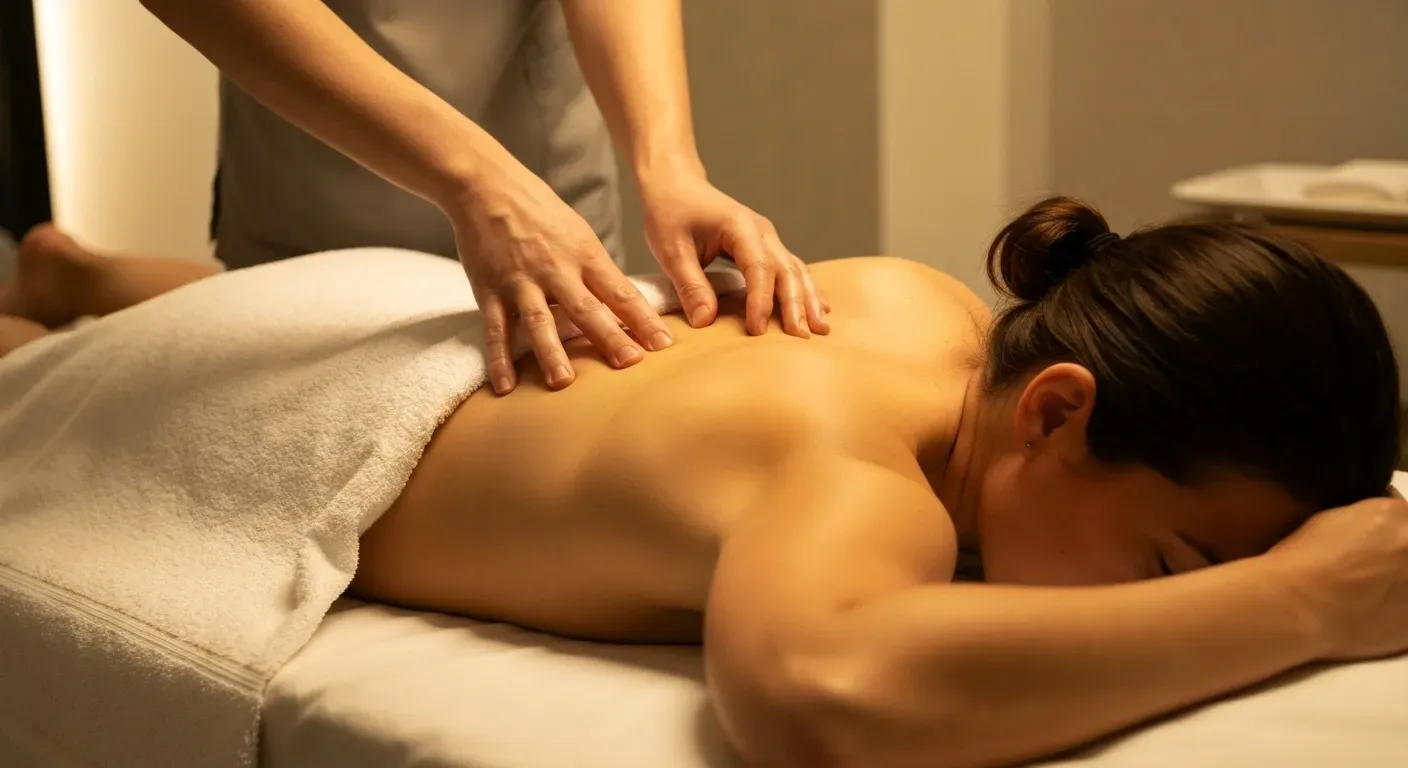
When Muscle Pain Holds You Back
Understanding Soft Tissue Dysfunction
Daily demands, repetitive motions, poor posture, and physical stress all take a toll on your muscles and soft tissues. Over time, chronic tension builds up as adhesions, trigger points, and restricted fascia that limit your range of motion and cause persistent discomfort. Many patients notice that simple tasks like turning their head, bending down, or sleeping through the night become increasingly difficult. If you struggle with ongoing muscle tension, the cumulative strain creates a cycle of pain, compensation, and further dysfunction that can be hard to break on your own.
Massage therapy breaks this cycle by directly addressing the soft tissue restrictions causing your pain. Using techniques like deep tissue massage, Swedish massage, sports massage, and myofascial release, our licensed massage therapists can release adhesions, improve blood flow, and restore proper muscle function. Many patients pair massage with chiropractic care for even better results. Results are often felt immediately after your first session, and most patients return to their daily routine with noticeably less tension.
What Is Massage Therapy?
The Science of Soft Tissue Manipulation
Massage therapy is a clinically recognized manual therapy that involves the systematic manipulation of soft tissues—including muscles, tendons, ligaments, and fascia—to relieve pain, reduce stress, and improve overall function. It has been practiced for thousands of years and is widely integrated into modern chiropractic and rehabilitative care.
Therapeutic massage works by increasing blood circulation to targeted areas, which delivers oxygen and nutrients while flushing metabolic waste products like lactic acid. Mechanoreceptors in the skin and muscle respond to pressure by signaling the nervous system to reduce pain perception and lower cortisol levels. For patients focused on post-workout recovery, massage therapy provides clinically meaningful improvements in muscle soreness and flexibility.
Treatment Timeline
What Massage Therapy Can Treat
Comprehensive Soft Tissue Solutions
- 01
Chronic Back Pain
Deep tissue techniques release spinal muscle tension and reduce compression
- 02
Neck and Shoulder Tension
Targeted work on upper trapezius and cervical muscles relieves stiffness
- 03
Sports Injuries
Sports massage accelerates recovery and reduces post-exercise soreness
- 04
Headaches and Migraines
Myofascial release of trigger points that contribute to tension headaches
- 05
Stress and Anxiety
Swedish massage lowers cortisol and promotes relaxation and mental clarity
- 06
Sciatica Discomfort
Targeted pressure on piriformis and surrounding muscles eases nerve pressure
Benefits of Massage Therapy
Natural Pain Relief and Recovery
- 01
Pain Reduction
Decreases chronic and acute pain by releasing muscle tension and trigger points
- 02
Improved Mobility
Restores range of motion by breaking down adhesions and scar tissue
- 03
Faster Recovery
Accelerates healing from workouts, injuries, and repetitive strain
- 04
Stress Relief
Lowers cortisol and elevates serotonin for improved mood and relaxation
- 05
Better Circulation
Enhances blood flow to deliver nutrients and remove metabolic waste products
- 06
Chiropractic Integration
Prepares soft tissue for adjustments and extends the benefits of chiropractic care
Who Is a Good Candidate for Massage Therapy?
Finding Your Path to Relief
Massage therapy is ideal for adults of all ages seeking non-invasive relief from pain, tension, and stress. During your consultation, our licensed massage therapists will evaluate your musculoskeletal health to create a personalized treatment plan.
Ideal Candidates for Massage Therapy
- Adults experiencing chronic or recurring muscle pain and stiffness
- Athletes and active individuals seeking faster post-workout recovery
- Patients with stress-related tension, headaches, or sleep difficulties
- Individuals recovering from injuries or looking to complement chiropractic adjustments
- Those in overall good health looking for natural, drug-free pain management
Who Should Wait or Avoid Massage Therapy
- Individuals with deep vein thrombosis or blood clotting disorders
- Patients with open wounds, burns, or active skin infections in the treatment area
- Those with recent fractures or severe osteoporosis in the targeted region
- Individuals with uncontrolled high blood pressure or certain cardiovascular conditions
If you have any underlying health concerns, our team will conduct a thorough evaluation before recommending massage therapy to ensure your safety and optimal results.
Massage Therapy Treatment Overview
What Happens During Your Session
- Step 1
Assessment
Your massage therapist evaluates your posture, range of motion, and areas of concern to tailor the session.
- Step 2
Preparation
Your therapist prepares the treatment area with warming techniques and positions you for optimal access to target muscles.
- Step 3
Treatment
Using deep tissue, Swedish, sports massage, or myofascial release techniques, your therapist works through layers of soft tissue to release tension and adhesions.
- Step 4
Integration
Gentle stretching and cool-down strokes help your muscles transition and maximize the benefits of the session.
- Step 5
Review
You'll review how your body responded and receive personalized aftercare instructions, including hydration and stretching guidance.
Risks and Side Effects
What to Know
Common side effects of massage therapy include mild soreness, tenderness, and temporary fatigue in the treated areas, which typically resolve within 24-48 hours. These responses are normal and indicate that soft tissue changes are occurring.
Less common effects may include minor bruising (especially with deep tissue techniques) and temporary headaches. In rare cases, patients with pre-existing conditions may experience symptom flare-ups if massage pressure is not appropriately adjusted.
Massage therapy is widely recognized as one of the safest manual therapy modalities. Serious complications are extremely rare when performed by licensed, trained professionals.
Our licensed massage therapists' MLD-C certification and thorough understanding of musculoskeletal anatomy help minimize risks and ensure a safe, effective experience for every patient. Learn more about our team and credentials.
Massage Therapy vs. Alternatives
Compare Your Options
| Treatment | Mechanism | Time | Results | Duration | Downtime | Best For |
|---|---|---|---|---|---|---|
| Massage Therapy | Manual soft tissue manipulation | 30-90 min | Immediate | Days to weeks | None | Pain relief, recovery, stress |
| Dry Needling | Trigger point needle insertion | 15-30 min | 24-72 hours | 1-2 weeks | Minimal soreness | Deep trigger points, chronic pain |
| Cupping Therapy | Suction-based decompression | 15-30 min | Immediate | 3-7 days | Mild bruising | Circulation, fascial release |
Massage Therapy Cost in Alma
Pricing and Payment Options
Massage therapy in Alma, GA ranges from $45 to $115 per session depending on the duration: $45 for 30 minutes, $75 for 60 minutes, and $115 for 90 minutes. Several factors influence your total investment, including session length (30, 60, or 90 minutes), the specific modality used, and whether massage is part of a comprehensive chiropractic treatment plan. During your consultation, our team will provide a personalized quote based on your specific needs.
Payment Options
Roots Chiropractic and Wellness is a cash-pay practice. Pricing is flat and transparent:
- Cash-Pay Pricing - $45 (30 min), $75 (60 min), $115 (90 min), due at the time of service
Many patients also benefit from combining massage with cupping therapy for enhanced soft tissue relief.
Why Choose Roots Chiropractic and Wellness
Alma's Trusted Wellness Provider
- 01
Integrated Approach
Massage therapy combined with chiropractic care for comprehensive musculoskeletal treatment
- 02
Licensed Therapists
Skilled massage professionals trained in multiple therapeutic modalities and techniques
- 03
Personalized Plans
Customized treatment protocols designed for your unique pain patterns and recovery goals
- 04
Whole-Body Wellness
Holistic care philosophy that addresses the root cause, not just the symptoms
Massage Therapy FAQ
Your Questions Answered
How often should I get a massage?
The frequency depends on your condition and goals. For chronic pain or injury recovery, weekly sessions for 4-6 weeks are often recommended. For general wellness and stress management, bi-weekly or monthly sessions help maintain results. Your massage therapist will recommend a schedule tailored to your needs.
Does massage therapy hurt?
Most patients experience therapeutic pressure that may feel intense but should not be painful. Deep tissue work can produce some discomfort in areas of significant tension, but your therapist will always adjust pressure to your comfort level. Communication during your session ensures the best experience.
Can I combine massage therapy with chiropractic adjustments?
Yes, massage therapy pairs exceptionally well with chiropractic adjustments. Releasing muscle tension before an adjustment can make it more effective, and massage after an adjustment helps your body maintain proper alignment. Hailey can create a combination treatment plan tailored to your specific goals.
What type of massage is best for my condition?
The best modality depends on your specific concerns. Deep tissue massage targets chronic tension and adhesions. Swedish massage promotes relaxation and circulation. Sports massage addresses athletic recovery. Myofascial release works on fascial restrictions. Our team will recommend the most effective approach after evaluating your needs.
How long do the effects of a massage last?
Results from a single session typically last several days to a week, depending on your condition and activity level. Regular sessions produce cumulative benefits, with many patients experiencing longer-lasting relief over time. Your massage therapist will discuss expected outcomes during your consultation.
References
- PubMed (PMID: 26329399) - Cochrane systematic review of 25 randomized trials (3,096 participants) found massage was better than inactive controls for pain in sub-acute and chronic low-back pain in the short term, and better than active controls for pain at short- and long-term follow-up, though the evidence was low to very low quality.
- PubMed (PMID: 28192793) - Systematic review supporting the American College of Physicians guideline concluded that massage, along with exercise, spinal manipulation, and acupuncture, is associated with small-to-moderate, generally short-term reductions in chronic low back pain.
- PubMed (PMID: 28956477) - Systematic review of eight randomized trials found that myofascial release massage did not reach the minimal clinically important difference for pain or disability in chronic musculoskeletal pain such as low back pain and fibromyalgia, indicating insufficient evidence to warrant it.
- PubMed (PMID: 24990417) - Systematic review and meta-analysis of 24 trials (1,962 patients) found that massage combined with antihypertensive drugs lowered systolic and diastolic blood pressure more than drugs alone in essential hypertension, though the overall evidence was weak due to poor methodological quality.
- American Massage Therapy Association (AMTA) - Position statement on the evidence-based benefits of massage therapy for pain management, stress reduction, and rehabilitation support.