Assessment
Dr. Medders palpates the affected muscles and identifies active trigger points through range-of-motion testing and clinical examination.

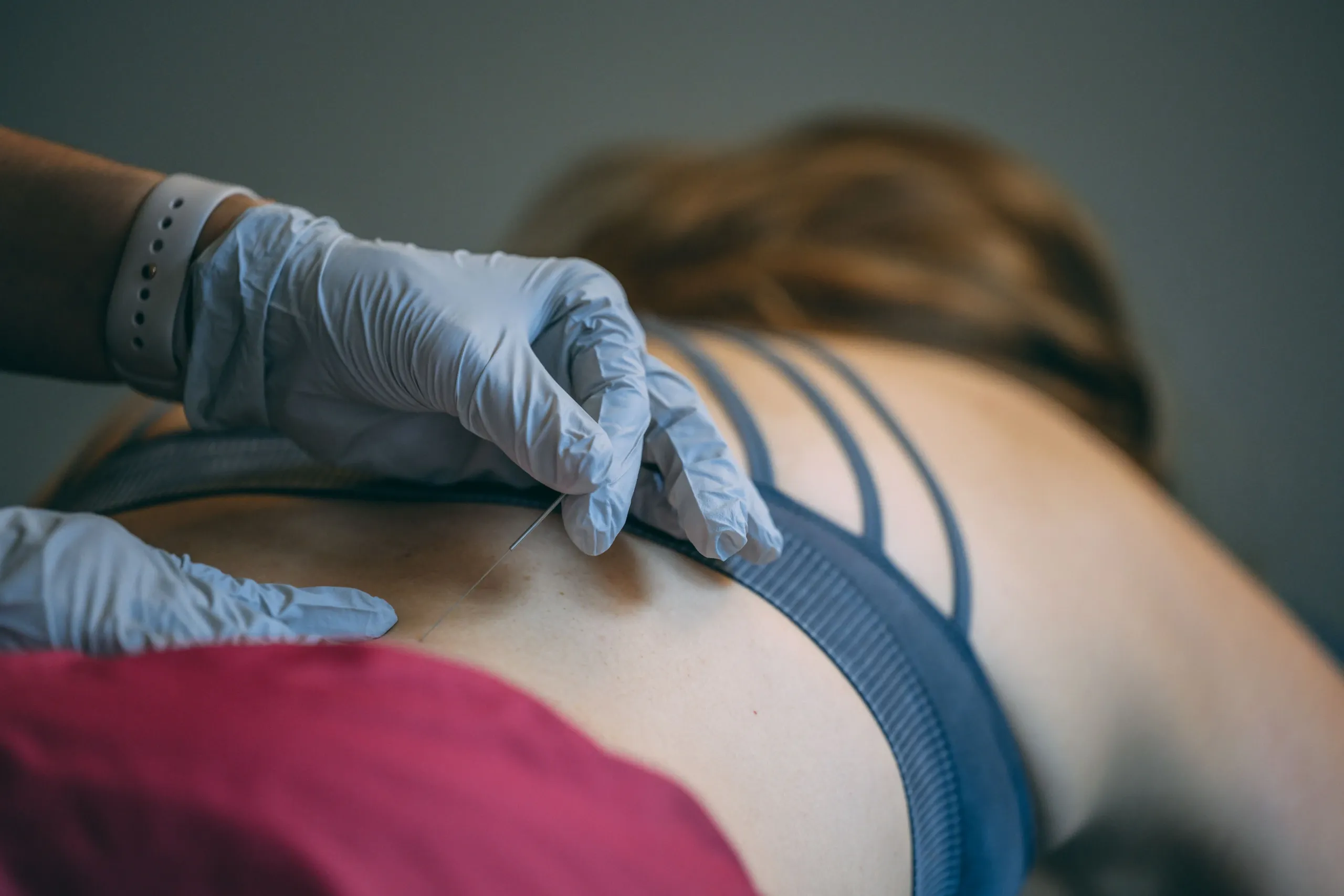
Targeted trigger point therapy for lasting pain relief and improved mobility.
Understanding Myofascial Trigger Points
Chronic muscle tension often develops from repetitive strain, poor posture, injury, or stress. Over time, tight bands of muscle fibers form trigger points — hyperirritable knots that restrict blood flow, compress nerves, and radiate pain to other areas of the body. These trigger points can make simple tasks like turning your head, bending down, or sitting at a desk feel exhausting. Many patients describe a constant dull ache that sharpens with movement, disrupting sleep and limiting the activities they enjoy most. This is especially common with sports injury recovery.
Dry needling works by inserting thin, sterile monofilament needles directly into these trigger points, producing a local twitch response that releases the contracted muscle fibers. This mechanical disruption restores normal blood flow, reduces local inflammation, and resets the neuromuscular connection. Dr. Medders uses precise needle placement to target deep tissue dysfunction that massage and stretching alone cannot reach. Combining dry needling with physical therapy produces even better outcomes. Most patients notice improved range of motion and significant pain reduction within one to three sessions.
The Science of Trigger Point Release
Dry needling is a modern, evidence-based neuromuscular technique that uses thin, solid filament needles — the same gauge used in acupuncture but applied with an entirely different philosophy and mechanism. Unlike acupuncture, which follows traditional Chinese meridian theory, dry needling targets specific myofascial trigger points identified through clinical palpation and is grounded in Western anatomical and neurophysiological principles.
When a needle is inserted into an active trigger point, it elicits a local twitch response (LTR) — a brief, involuntary contraction of the taut muscle band. This twitch response disrupts the dysfunctional motor endplate activity that sustains the trigger point. Dry needling is particularly effective for neck pain relief and upper back tension. Research shows that dry needling reduces concentrations of substance P and calcitonin gene-related peptide (CGRP) at trigger point sites, biochemicals associated with pain sensitization. Studies have demonstrated that a single session can produce immediate improvements in pressure pain threshold and range of motion.
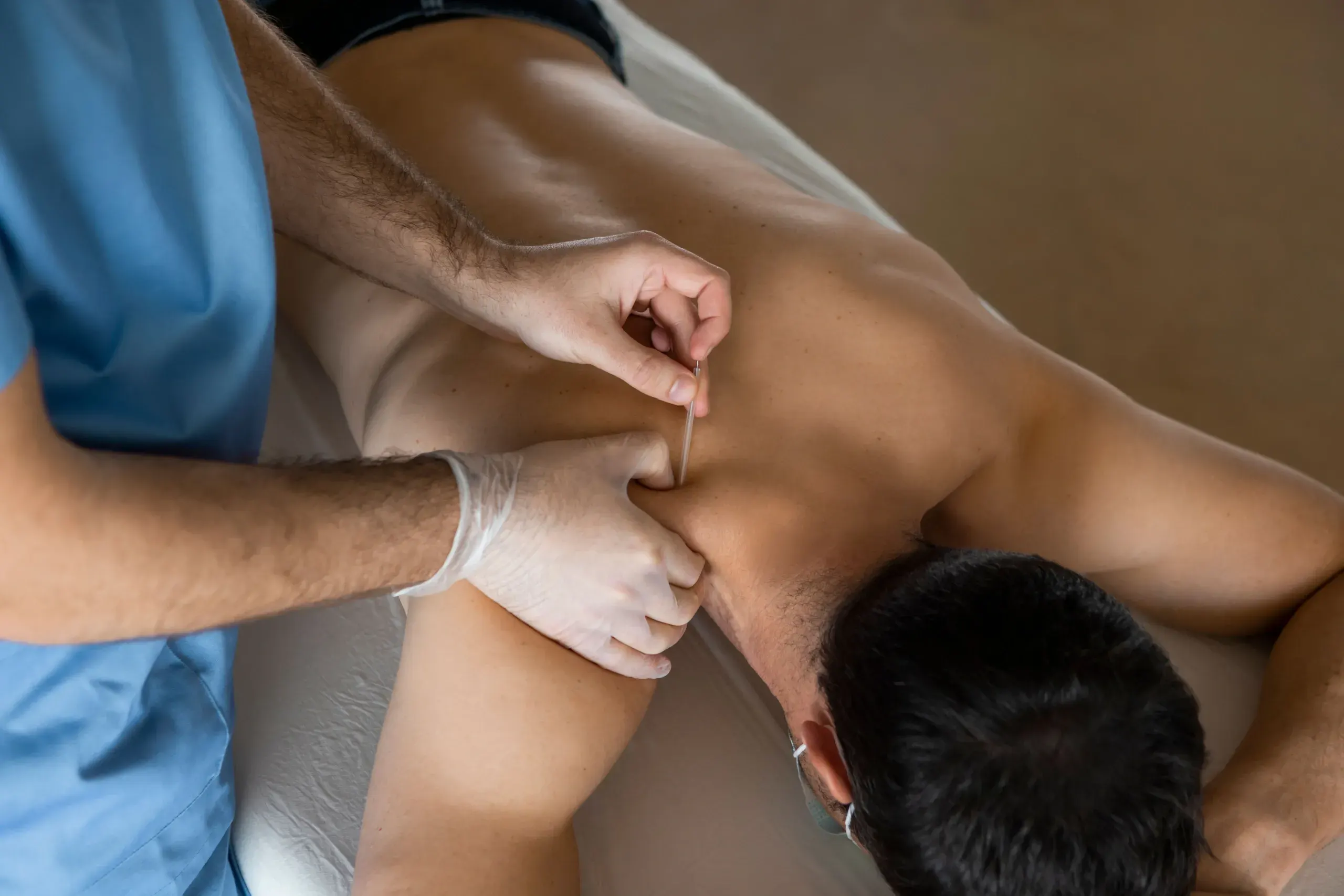
Fast, Targeted Pain Relief
Many patients experience noticeable pain reduction within minutes of their first session
Releasing trigger points restores muscle length and joint mobility immediately
A non-pharmaceutical approach to managing chronic and acute musculoskeletal pain
Return to work, exercise, and daily activities the same day with no recovery period
Enhances outcomes when combined with chiropractic adjustments, physical therapy, and massage
Compare Your Options
| Treatment | Mechanism | Time | Results | Duration | Downtime | Best For |
|---|---|---|---|---|---|---|
| Dry Needling | Trigger point release via filament needle | 20-40 min | Immediate to 48 hrs | Days to weeks per session | None | Deep muscle knots and chronic myofascial pain |
| Massage Therapy | Manual soft tissue manipulation | 30-60 min | Immediate | Days to 1 week | None | General tension, relaxation, and circulation |
| Cupping Therapy | Negative pressure to lift tissue layers | 15-30 min | Immediate | 3-7 days | Mild bruising | Surface-level tension and fascial adhesions |
| Trigger Point Injections | Anesthetic or saline injected into trigger points | 10-20 min | Immediate | Weeks to months | Minimal | Severe trigger points unresponsive to conservative care |
Finding Your Path to Pain Relief
Dry needling is ideal for patients experiencing chronic or acute musculoskeletal pain that has not fully resolved with other conservative treatments. Whether you are dealing with persistent muscle tension or acute trigger point pain, Dr. Medders will evaluate your muscle function, pain patterns, and medical history to create a personalized treatment plan.
Dr. Medders conducts a thorough health and medication review before every dry needling session to ensure safe, effective treatment for each patient.
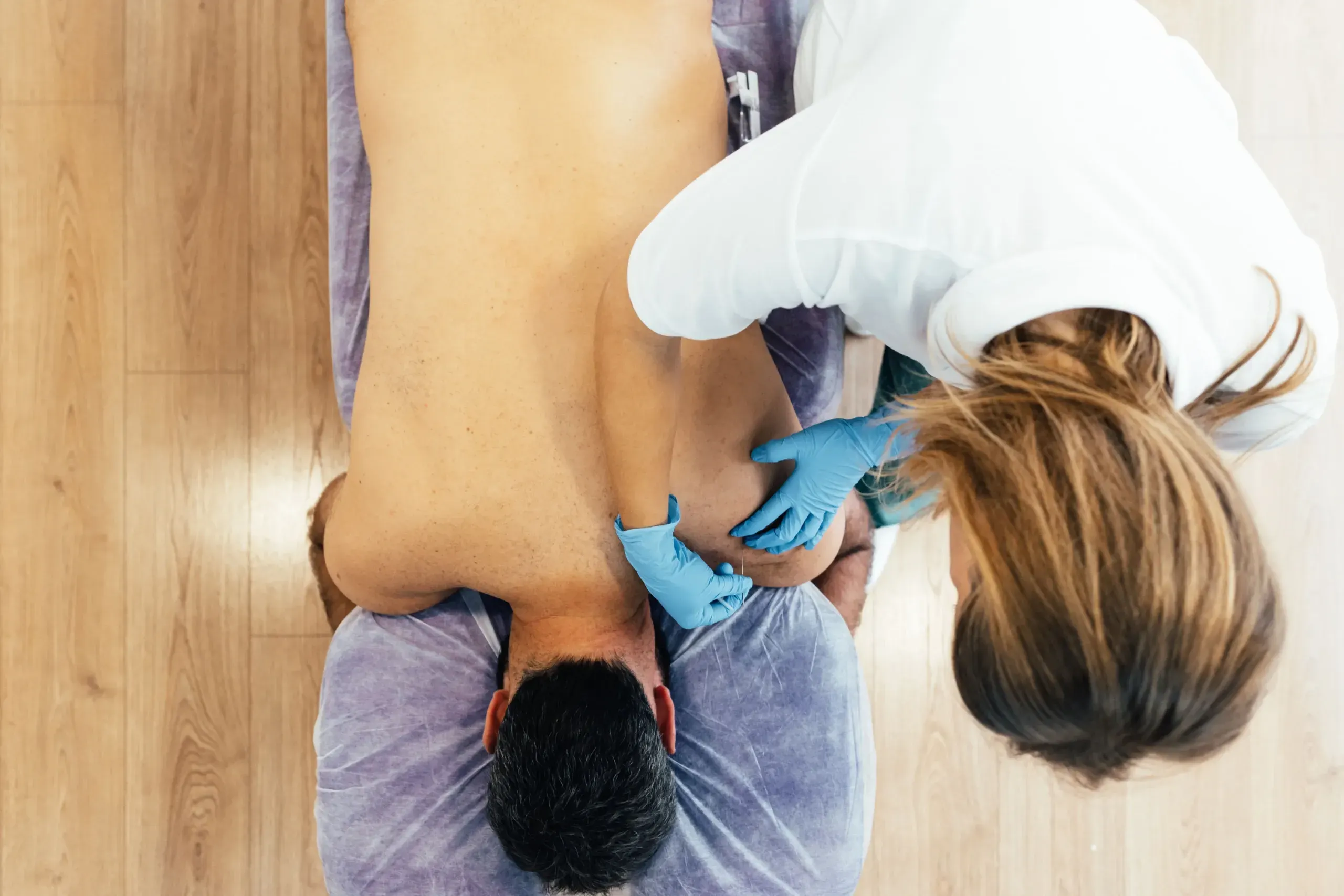
Dr. Medders palpates the affected muscles and identifies active trigger points through range-of-motion testing and clinical examination.
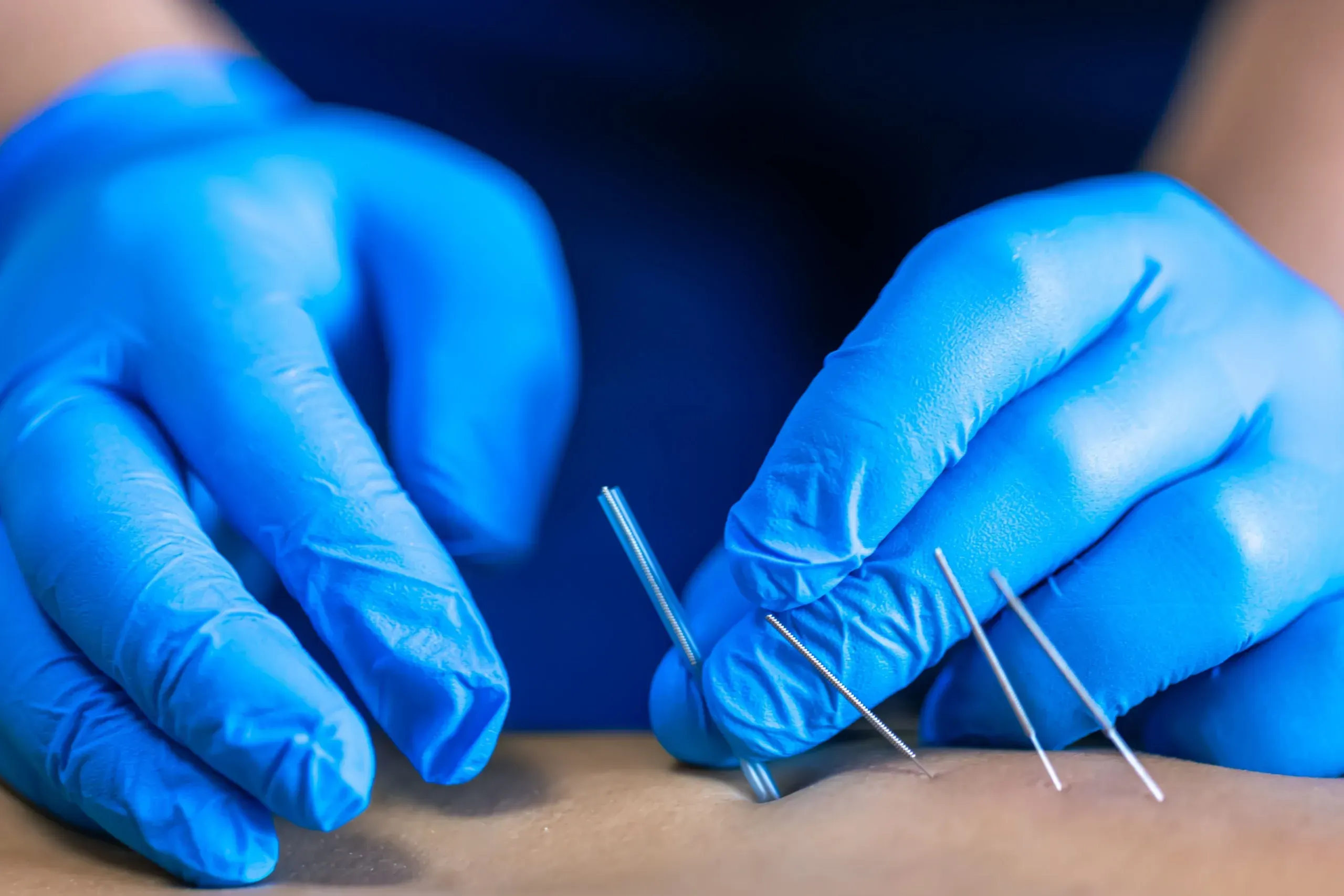
Using sterile monofilament needles, Dr. Medders inserts them precisely into each trigger point to elicit a local twitch response.
Dr. Medders gently manipulates the needles using pistoning or rotation techniques to fully release the contracted muscle fibers.
You'll receive stretching recommendations and aftercare instructions to maximize the benefits of your session.
What to Know
Common side effects of dry needling include localized muscle soreness, minor bruising, and temporary achiness at the needle insertion sites, which typically resolve within 24 to 48 hours. Applying ice or gentle heat can help manage post-treatment discomfort.
Less common effects may include fatigue or mild lightheadedness immediately after treatment, particularly during the first session. In rare cases, patients may experience a temporary increase in pain before improvement occurs — this is a normal neurophysiological response as the trigger point releases.
Serious complications such as pneumothorax (lung puncture) are extremely rare when performed by a trained provider who follows proper anatomical landmarks and needle depth protocols. Infection risk is negligible with single-use, sterile, disposable needles. Dry needling is a safe complement to sports injury recovery programs.
Dr. Medders' thorough training in musculoskeletal anatomy and strict adherence to evidence-based needling protocols help minimize risks and ensure safe, effective treatment for every patient.
Dry needling in Alma, GA is $80 per session, with the number of areas treated and session duration included. Several factors influence your total investment, including the number of trigger points addressed, the complexity of your condition, and whether dry needling is combined with other therapies such as chiropractic adjustments or physical therapy. During your consultation, Dr. Medders will provide a personalized quote based on your specific treatment plan.
Roots Chiropractic and Wellness is a cash-pay practice. Pricing is flat and transparent:
We recommend scheduling a consultation to discuss your specific needs and receive an accurate cost estimate for your treatment plan.
Alma's Trusted Provider
Precise dry needling techniques to release tight muscles, reduce trigger points, and improve range of motion
Skilled providers trained in safe, effective dry needling protocols for pain and tension management
Care tailored to your specific muscle issues, activity level, and recovery goals
Supports long-term muscle health, mobility, and overall physical well-being
Complement your Dry Needling therapy with these popular treatments.

Targeted adjustments for whole-body wellness

Hands-on relief for chronic tension
Your Questions Answered
No. While both use thin needles, dry needling is based on Western neuroanatomy and targets specific myofascial trigger points to release muscle tension. Acupuncture follows traditional Chinese medicine meridian theory. The assessment, technique, and treatment goals are fundamentally different.
Most patients feel a brief, deep aching sensation or muscle twitch when the needle reaches the trigger point. This twitch response is actually a positive sign that the targeted muscle band is releasing. We use the thinnest needles available, and discomfort is typically mild and brief.
Most patients experience significant improvement within 2 to 4 sessions. Chronic conditions may require additional treatments. During your initial evaluation, Dr. Medders will assess your condition and recommend a treatment frequency tailored to your recovery goals.
Yes, dry needling pairs exceptionally well with chiropractic care. Releasing trigger points before an adjustment can improve joint mobility and help the adjustment hold longer. Dr. Medders often integrates both into a single visit for comprehensive results.
Stay hydrated, perform the gentle stretches Dr. Medders recommends, and avoid intense exercise for 24 hours. Mild soreness is normal and typically resolves within a day or two. Applying ice or heat to treated areas can help with any residual discomfort.