
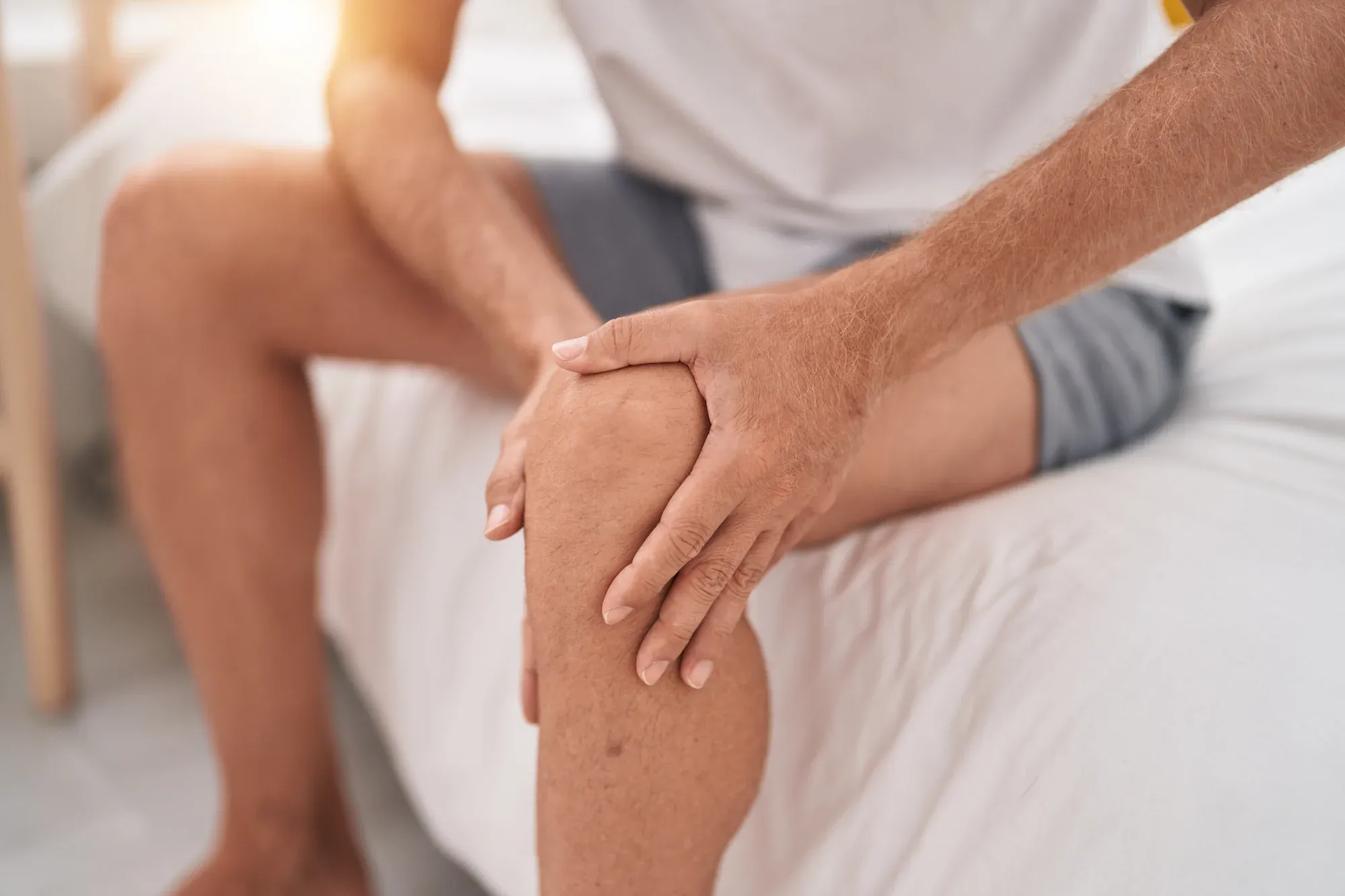
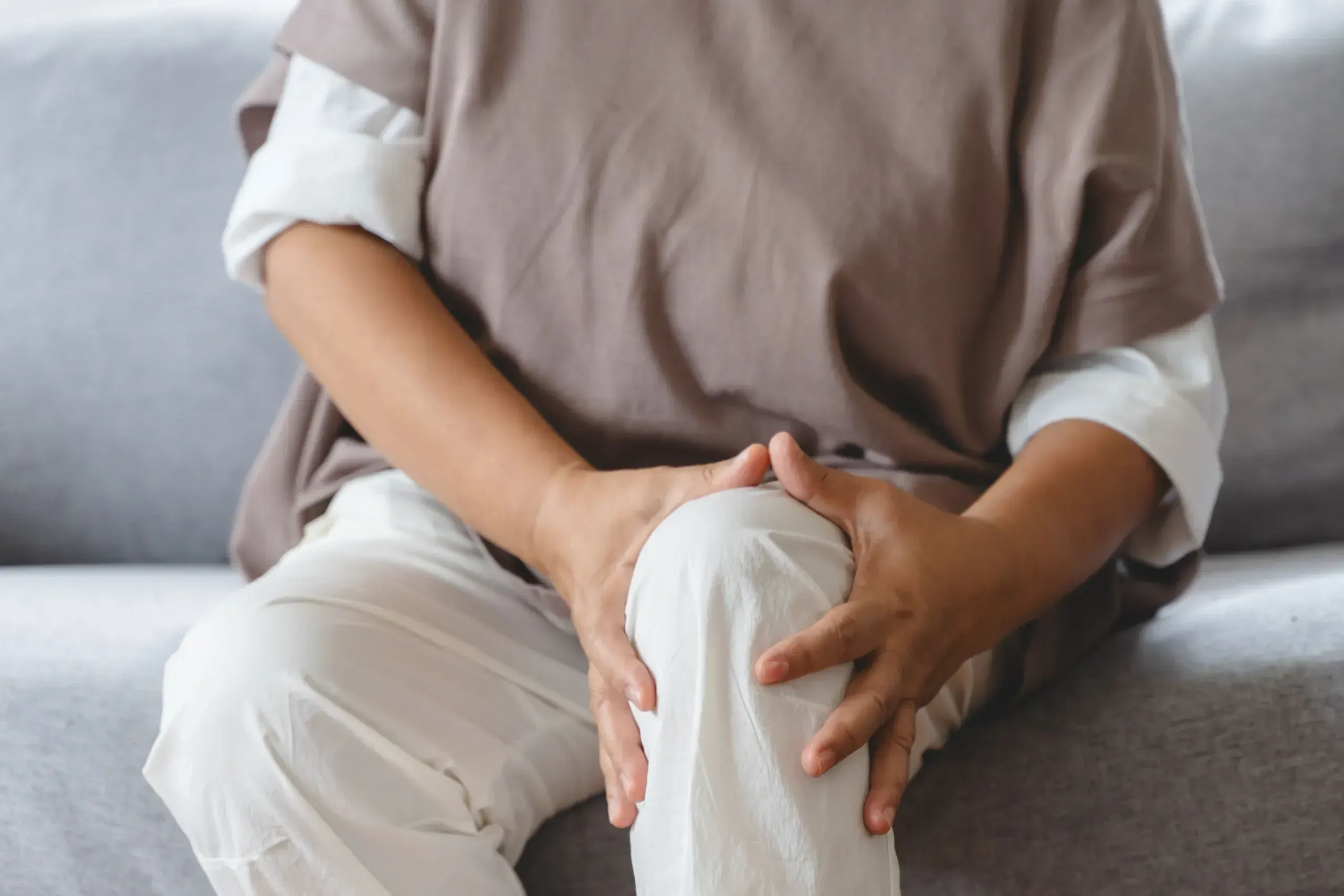
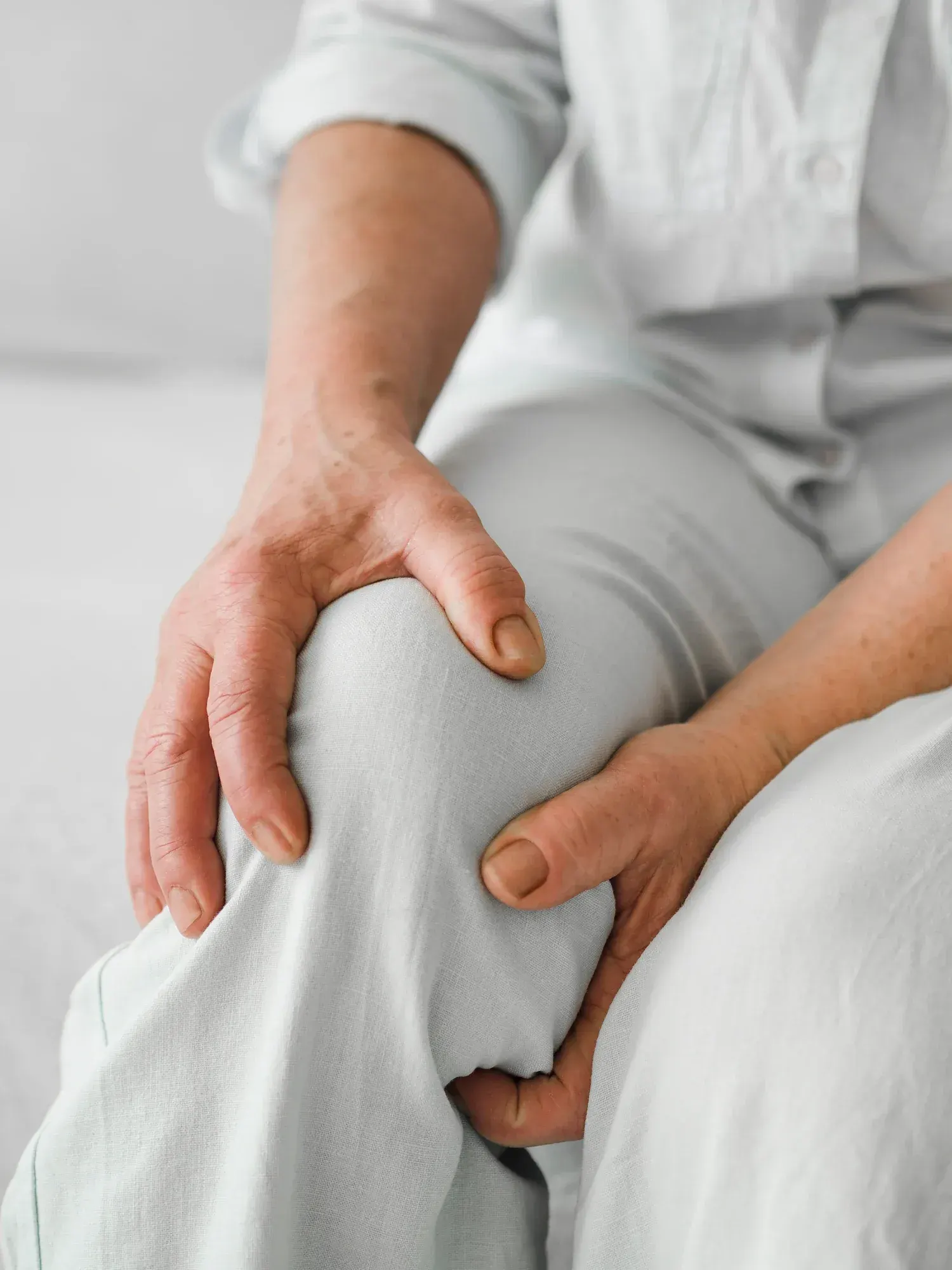
Knee injury rehabilitation and non-surgical pain relief in Alma, GA

Knee Pain Treatment in Alma, GA

Move Freely Without Limitation

Common In:Adults 40+
Primary Causes:Injury, Arthritis, Alignment
Treatment Time:30-60 minutes
Results:Progressive over 4-8 weeks
Close-up illustration of knee joint anatomy at Roots Chiropractic and Wellness Alma, GA

What Is Knee Pain?

Recognizing the Signs

Knee pain encompasses a broad range of musculoskeletal conditions affecting the body's largest and most complex joint. At Roots Chiropractic and Wellness in Alma, GA, we treat patients whose knee pain stems from dysfunction in bones, cartilage, ligaments, tendons, or bursae, producing pain that ranges from a dull ache to sharp, debilitating discomfort.

When you feel a catch going up stairs, stiffness after sitting at your desk, or an ache that worsens with every step on uneven ground, you are experiencing the hallmark signs of knee dysfunction. Physical therapy is one of the most effective conservative approaches for addressing the muscle weakness and biomechanical imbalances that drive knee pain.

Many patients describe their knee pain as a constant reminder that limits what they can do, from playing with their children to simply getting out of a chair. The frustration of watching activities you once enjoyed become sources of anxiety and discomfort is something we hear from patients every day at our clinic.

Diagram showing biomechanical factors contributing to knee pain at Roots Chiropractic Alma

Why Knee Pain Happens

Understanding the Root Causes

The knee joint absorbs forces of up to 4-6 times your body weight during activities like climbing stairs or running. Over time, this repetitive loading can accelerate the breakdown of articular cartilage, the smooth tissue that cushions the ends of the femur, tibia, and patella. When cartilage wears thin or becomes damaged, the resulting bone-on-bone contact triggers inflammation, swelling, and the pain that many patients experience.

Biomechanical imbalances elsewhere in the kinetic chain compound the problem significantly. Weakness in the hip abductors, tightness in the iliotibial band, or excessive foot pronation can shift the mechanical axis of the knee, concentrating stress on areas not designed to bear it. For patients where excess weight is contributing to knee stress, weight loss management can significantly reduce the load on your knee joints.

The knee's stability also depends on ligaments and the menisci, two C-shaped cartilage pads that distribute load across the joint surface. When these structures are weakened by prior injury, repetitive strain, or age-related changes, the joint becomes less resilient to everyday forces, creating a cycle of inflammation and compensatory movement that progressively limits function.

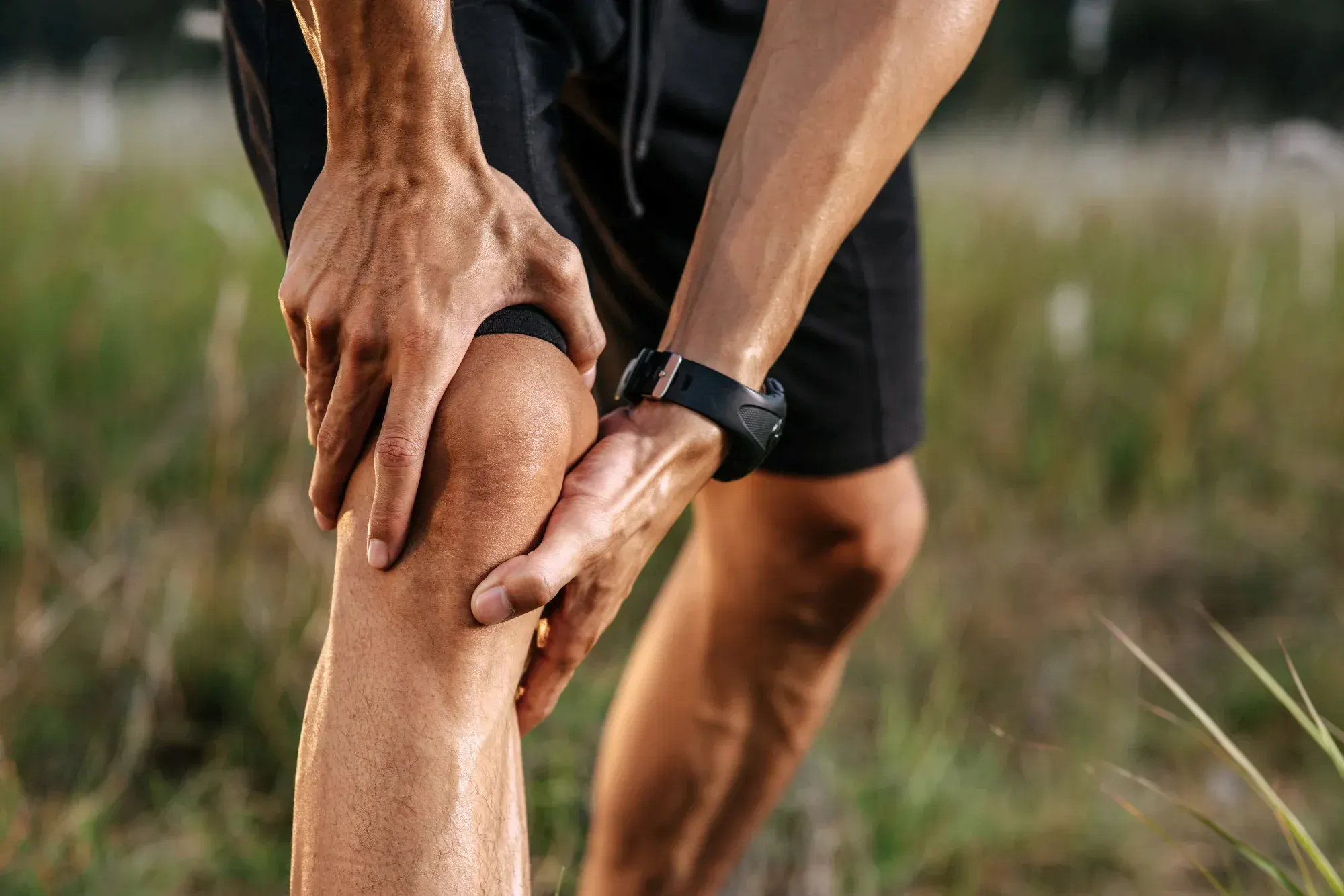
Educational visual of cartilage degeneration process at Roots Chiropractic and Wellness

Cartilage & Joint Degeneration

How Wear Patterns Affect Knee Function

Articular cartilage is a highly specialized tissue with limited capacity for self-repair. Unlike bone or muscle, cartilage lacks its own blood supply and relies on synovial fluid for nutrition. This fluid is pumped into the cartilage matrix through a process called imbibition, which requires regular joint movement. When pain causes you to move less, cartilage actually receives fewer nutrients, creating a paradox where rest can sometimes worsen the underlying condition.

The menisci undergo cumulative microdamage over decades of use. Research shows that by age 50, approximately 35% of adults have meniscal tears detectable on MRI, many of which are asymptomatic. However, when combined with cartilage thinning and muscle weakness, even minor meniscal changes can become a significant source of pain. Dry needling can help release the compensatory muscle tension and trigger points that develop around a painful knee joint.

Subchondral bone, the layer directly beneath cartilage, responds to altered loading by becoming denser and stiffer through a process called sclerosis. This structural change reduces the bone's ability to absorb impact, transferring more stress to the already compromised cartilage above. Simultaneously, chronic inflammation can trigger the formation of bone spurs, or osteophytes, at the joint margins, which further restrict range of motion and contribute to stiffness.

Lifestyle factors affecting knee joint health at Roots Chiropractic and Wellness Alma

What Accelerates Knee Pain?

Identifying Your Triggers

01

Age-Related Wear

Natural cartilage degradation accelerates after age 40, with articular cartilage losing approximately 0.5% of its thickness per year, reducing the knee's built-in shock absorption.

02

Excess Body Weight

Every additional pound of body weight adds roughly 4 pounds of compressive force to the knee during walking, significantly accelerating cartilage breakdown and joint inflammation.

03

Previous Injuries

Prior ACL tears, meniscal injuries, or fractures around the knee increase the risk of developing osteoarthritis by 4 to 6 times, even decades after the original injury heals.

04

Muscle Imbalances

Weakness in the quadriceps, hamstrings, or hip stabilizers reduces the knee's dynamic support, forcing passive structures like cartilage and ligaments to absorb excessive forces.

05

Poor Biomechanics

Flat feet, overpronation, or leg length discrepancies alter the knee's mechanical alignment, concentrating stress on one side of the joint and accelerating uneven wear patterns.

06

Sedentary Lifestyle

Prolonged sitting weakens supporting muscles and reduces synovial fluid circulation within the joint, starving cartilage of essential nutrients needed for maintenance and repair.

Roots Chiropractic and Wellness clinic interior in Alma, Georgia

Why Choose Roots Chiropractic and Wellness

Expert Care in Alma

  • Detailed Knee & Alignment Evaluations
  • Targeted Chiropractic & Rehabilitation Care
  • Personalized Pain Management Plans
  • Holistic Support for Joint Health & Mobility

Treatment Options Comparison

Finding Your Best Approach

Treatment Best For Session Time Results Timeline Maintenance
Physical Therapy Strengthening & mobility 45-60 min 2-6 weeks Ongoing exercises
Custom Orthotics Alignment correction Fitting: 30 min 2-4 weeks adaptation Replace yearly
Dry Needling Muscle tension & trigger points 20-30 min 1-3 sessions As needed
Patient concerned about knee discomfort at Roots Chiropractic and Wellness Alma

You May Be Experiencing Knee Pain If...

Recognizing When to Seek Help

  • Stair Difficulty
  • Morning Stiffness
  • Swelling After Activity
  • Grinding Sensation
  • Avoiding Activities
  • Compensatory Limping

Frequently Asked Questions

About Knee Pain

01 Can knee pain be treated without surgery?

In many cases, yes. Conservative approaches like physical therapy, chiropractic care, dry needling, and custom orthotics can effectively reduce pain and restore function. Dr. Tillman evaluates each patient individually to determine the best non-surgical approach for their specific condition.

02 How do I know which treatment is right for my knee pain?

A comprehensive evaluation examines your joint mechanics, muscle strength, flexibility, and gait to pinpoint the source of your pain. The right treatment depends on whether your pain stems from alignment issues, muscle weakness, soft tissue dysfunction, or a combination of factors.

03 How quickly will I see improvement in my knee pain?

Many patients notice some relief within the first few sessions, while significant functional improvement typically develops over 4-8 weeks of consistent treatment. The timeline depends on the underlying cause, severity, and how consistently you follow your home exercise program.

04 Is it normal for knees to hurt more as I get older?

While age-related cartilage changes are common, persistent knee pain is not something you should simply accept. Many age-related knee issues respond well to conservative treatment, and early intervention can slow progression and maintain your quality of life.

05 Can poor foot alignment contribute to my knee pain?

Absolutely. Flat feet, overpronation, and other foot mechanics issues can alter the alignment of the entire lower extremity, placing abnormal stress on the knee. Custom orthotics can correct these imbalances and reduce the forces contributing to your knee pain.

06 What can I do at home between appointments to help my knee?

Gentle strengthening exercises for the quadriceps and hip muscles, regular low-impact movement like walking or swimming, maintaining a healthy weight, and applying ice after activity can all support your in-office treatment and accelerate recovery.

07 Can knee pain be related to problems in my hip or back?

Yes, the kinetic chain connects the spine, hips, knees, and feet. Dysfunction at the hip or lower back can alter your gait and loading patterns, placing extra stress on the knee. This is why we evaluate the entire chain, not just the painful joint, to identify the true source of the problem.

08 When should I see a professional about my knee pain?

Seek evaluation if your knee pain persists beyond a few days, limits your daily activities, causes swelling or instability, or has changed the way you walk. Early assessment helps identify treatable causes before compensatory patterns create additional problems elsewhere in the body.

Location133 GA Hwy 32 Bypass, Suite A
Alma, GA, 31510

Schedule Your Consultation

Scientific References

  1. PubMed (PMID: 33159440 [VERIFY PMID]) - Knee osteoarthritis prevalence increases significantly after age 40, with radiographic evidence present in approximately 37% of adults over 60 in the United States.
  2. PubMed (PMID: 22588746 [VERIFY PMID]) - Each pound of body weight exerts approximately 4 pounds of compressive force on the knee during ambulation, establishing excess weight as a primary modifiable risk factor for knee osteoarthritis.
  3. PubMed (PMID: 28259799 [VERIFY PMID]) - Exercise-based physical therapy demonstrates comparable outcomes to arthroscopic surgery for degenerative meniscal tears in middle-aged adults, supporting conservative management as a first-line approach.
  4. PubMed (PMID: 26405113 [VERIFY PMID]) - Quadriceps strengthening programs reduce knee pain and improve function in patients with osteoarthritis, with systematic reviews confirming moderate-to-large effect sizes for pain reduction.
  5. Medical consensus - Biomechanical assessment of the entire lower kinetic chain, including hip and foot mechanics, is essential for identifying the contributing factors of knee pain and developing effective treatment strategies.