


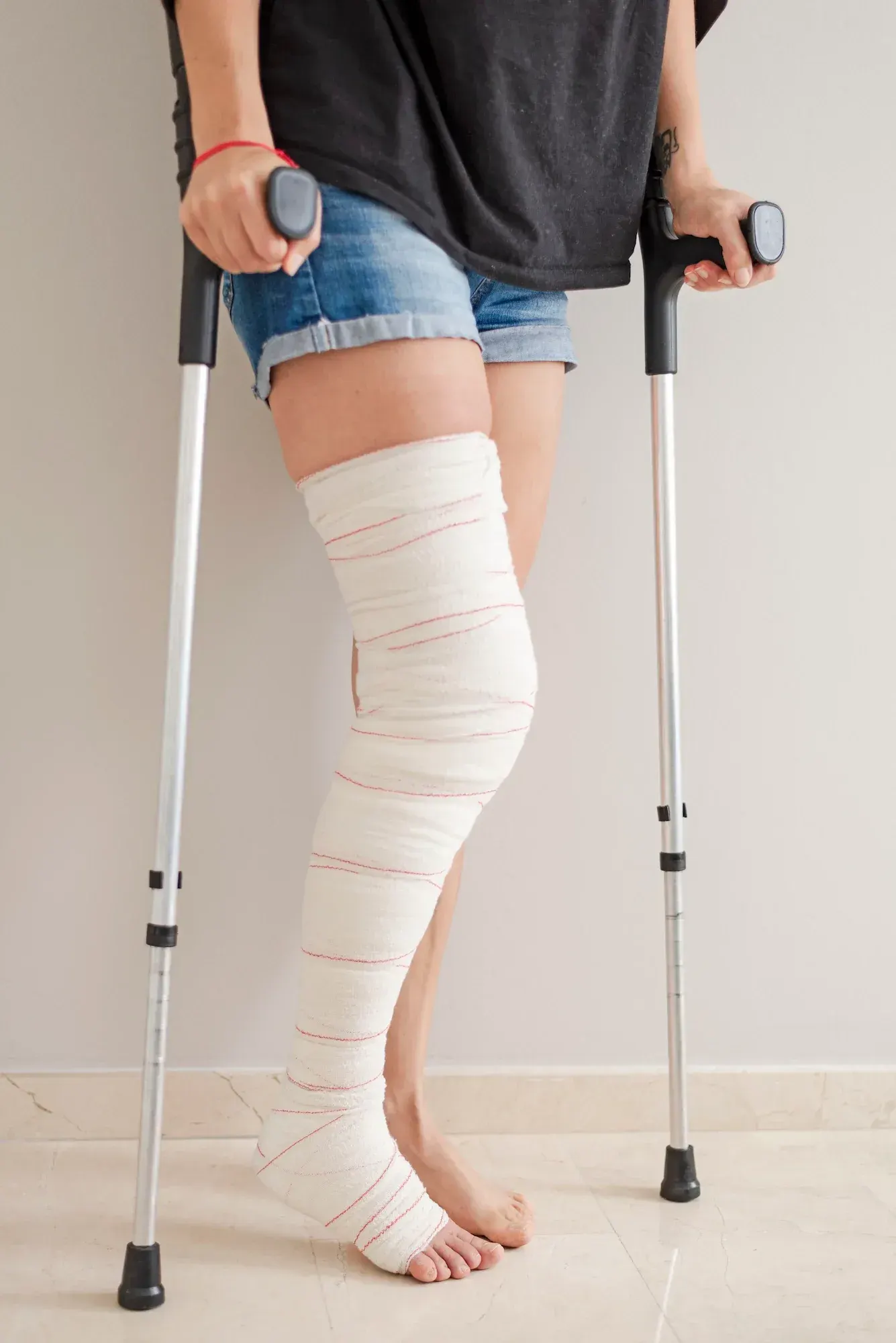
Patient working on mobility improvement at Roots Chiropractic and Wellness in Alma GA

Mobility Limitation Treatment in Alma, GA

Restore Your Freedom of Movement with Expert Chiropractic and Rehabilitation Care

Common In:Adults 40+, seniors, post-injury patients
Primary Causes:Joint degeneration, muscle weakness, spinal misalignment
Treatment Time:30-60 minutes per session
Results:Improvement within 2-6 weeks of consistent care
Senior patient improving mobility with physical therapy in Alma GA

What Are Mobility Limitations?

Recognizing the Signs

Mobility limitation treatment in Alma, GA at Roots Chiropractic and Wellness addresses restrictions in the range, quality, or ease of movement in your joints, muscles, or spine. These restrictions can develop gradually through age-related changes, repetitive strain, or injury, or they can appear suddenly following trauma or acute inflammation.

When you notice that turning your head while driving has become difficult, bending down to tie your shoes feels stiff and painful, or climbing stairs requires more effort than it once did, our physical therapy programs are designed to restore your functional mobility and independence.

Many patients in Alma, GA and surrounding communities including Douglas, Baxley, Hazlehurst, Waycross, Jesup, and Blackshear describe their movement as feeling "locked up" or "rusty," especially in the morning or after periods of inactivity. The joints and surrounding tissues lose their natural fluidity, making everyday activities increasingly challenging and sometimes painful.

Illustration of joint and spinal factors affecting mobility at Roots Chiropractic Alma

Why Mobility Limitations Develop

Understanding the Root Causes

Healthy movement depends on a coordinated system of joints, muscles, ligaments, tendons, and the nervous system working together seamlessly. Each joint has a specific range of motion maintained by the balance between structural integrity, muscular support, and neurological coordination.

Joint mobility relies heavily on the health of articular cartilage, synovial fluid production, and the surrounding soft tissue. As we age, cartilage thins and synovial fluid decreases. Senior chiropractic care is specifically tailored to address the age-related joint stiffness and balance concerns that contribute to mobility loss in older adults.

The musculoskeletal system follows a "use it or lose it" principle. Prolonged inactivity, sedentary work habits, and protective guarding after injury create a cycle of deconditioning where muscles weaken, fascia tightens, and joints lose their natural mobility. Breaking this cycle requires targeted intervention.


Spinal health and whole-body mobility connection at Roots Chiropractic Alma

How Spinal Health Affects Whole-Body Mobility

The Connection Between Your Spine and Movement

The spine serves as the central framework for all body movement, housing the spinal cord that transmits motor and sensory signals between the brain and every muscle and joint. Chiropractic adjustments restore proper spinal alignment and improve the nervous system's ability to coordinate efficient, pain-free movement.

Proprioception, your body's ability to sense its position in space, is heavily dependent on healthy joint mechanics and nerve function. Restricted spinal joints impair proprioceptive input, leading to poor balance, uncoordinated movement, and increased fall risk, particularly in older adults.

Fascia, the connective tissue that envelops muscles and organs throughout the body, can develop adhesions and restrictions that limit mobility across entire kinetic chains. A restriction in the hip fascia, for example, can alter gait mechanics and eventually contribute to knee pain, lower back stiffness, and reduced overall movement quality.

Factors contributing to mobility limitations at Roots Chiropractic Alma GA

What Accelerates Mobility Loss?

Identifying Your Risk Factors

01

Age-Related Degeneration

Natural wear on joint cartilage, decreased synovial fluid production, and reduced muscle mass make it progressively harder to maintain full range of motion after age 40.

02

Sedentary Lifestyle

Prolonged sitting, lack of regular physical activity, and desk-bound work lead to muscle shortening, joint stiffness, and weakened stabilizing muscles throughout the body.

03

Previous Injuries

Old sprains, fractures, surgeries, and soft tissue injuries create scar tissue and compensatory movement patterns that restrict mobility long after the original injury heals.

04

Spinal Misalignment

Vertebral subluxations disrupt nerve communication, alter muscle tone, and create joint restrictions that limit movement quality and range throughout the entire kinetic chain.

05

Chronic Inflammation

Conditions such as arthritis, autoimmune disorders, and persistent low-grade inflammation cause joint swelling, tissue degradation, and progressive stiffness that compounds over time.

Roots Chiropractic and Wellness clinic interior in Alma Georgia

Why Choose Roots Chiropractic and Wellness

Expert Mobility Care in Alma

  • Thorough Movement & Joint Assessments
  • Targeted Physical Therapy & Adjustments
  • Personalized Mobility Plans
  • Integrated Support for Long-Term Function & Independence

Treatment Options for Mobility Limitations

Finding Your Best Approach

Treatment Best For Session Time Results Timeline Maintenance
Physical Therapy Strengthening weak muscles and restoring functional movement 45-60 minutes 2-4 weeks Home exercise program
Senior Chiropractic Age-related joint stiffness and balance improvement 20-30 minutes 1-3 weeks Bi-weekly to monthly visits
Chiropractic Adjustments Spinal alignment and joint range of motion restoration 15-30 minutes Immediate to 2 weeks Monthly wellness visits
Patient recognizing mobility limitation symptoms at Roots Chiropractic Alma

You May Be Experiencing Mobility Limitations If...

Recognizing When to Seek Help

  • Morning Stiffness
  • Reduced Range of Motion
  • Difficulty with Daily Tasks
  • Balance Concerns
  • Compensatory Movement
  • Activity Avoidance

Frequently Asked Questions

About Mobility Limitations

01 Can mobility limitations be reversed, or is lost range of motion permanent?

In many cases, mobility can be significantly improved and even fully restored with proper treatment. The degree of recovery depends on the underlying cause, how long the restriction has been present, and your commitment to a treatment plan. Dr. Tillman will provide a realistic assessment of your expected outcomes during your initial evaluation.

02 How do I know if my stiffness is normal aging or a treatable condition?

While some degree of reduced flexibility is common with aging, stiffness that limits daily activities, causes pain, or progressively worsens should be evaluated professionally. A comprehensive assessment at Roots Chiropractic can distinguish between normal age-related changes and treatable conditions like joint dysfunction, muscle imbalance, or spinal misalignment.

03 How quickly will I notice improvement in my mobility?

Many patients notice some improvement after their first few sessions, particularly in reduced stiffness and increased range of motion. More significant functional gains typically develop over 2 to 6 weeks of consistent care. Dr. Tillman will set clear milestones so you can track your progress throughout treatment.

04 Is chiropractic care safe for seniors with mobility issues?

Absolutely. Dr. Tillman uses gentle, age-appropriate techniques specifically tailored for older adults. Senior chiropractic care focuses on low-force adjustments and gradual mobility restoration that respects the body's current condition while progressively improving function and reducing fall risk.

05 Will I need to do exercises at home between appointments?

Yes, home exercises are an important part of the rehabilitation process. Dr. Tillman will prescribe specific stretches and strengthening exercises designed for your ability level. These complement your in-office treatments and help you maintain and build upon the progress achieved during each session.

06 Can mobility limitations contribute to other health problems?

Reduced mobility often leads to a cascade of secondary issues including weight gain, cardiovascular deconditioning, increased fall risk, joint degeneration, and even depression or social isolation. Addressing mobility limitations early helps prevent these complications and supports your overall health and independence.

07 Do you treat mobility issues caused by conditions like arthritis?

Yes. While we do not treat the underlying autoimmune or degenerative disease itself, chiropractic care and physical therapy are highly effective at improving joint function, reducing pain, and maximizing mobility for patients living with arthritis and similar conditions. We work alongside your primary care provider to ensure coordinated care.

08 How often will I need to come in for treatment?

Treatment frequency depends on the severity and cause of your mobility limitations. Most patients begin with 2 to 3 visits per week, tapering to weekly and then monthly visits as mobility improves. Dr. Tillman will outline a personalized schedule during your initial consultation.

Location133 GA Hwy 32 Bypass, Suite A
Alma, GA, 31510

Schedule Your Consultation

Scientific References

  1. PubMed (PMID: 29471286 [VERIFY PMID]) - Chiropractic spinal manipulative therapy is associated with significant improvements in functional mobility and reduced disability in patients with musculoskeletal conditions.
  2. PubMed (PMID: 30335591 [VERIFY PMID]) - Physical therapy interventions including progressive resistance training and flexibility exercises improve functional mobility outcomes in older adults with age-related mobility limitations.
  3. PubMed (PMID: 27340199 [VERIFY PMID]) - Multimodal rehabilitation combining manual therapy with therapeutic exercise produces superior mobility outcomes compared to single-modality treatment approaches.
  4. PubMed (PMID: 31775556 [VERIFY PMID]) - Early intervention for mobility limitations in older adults significantly reduces fall risk and preserves independent function over a 12-month follow-up period.