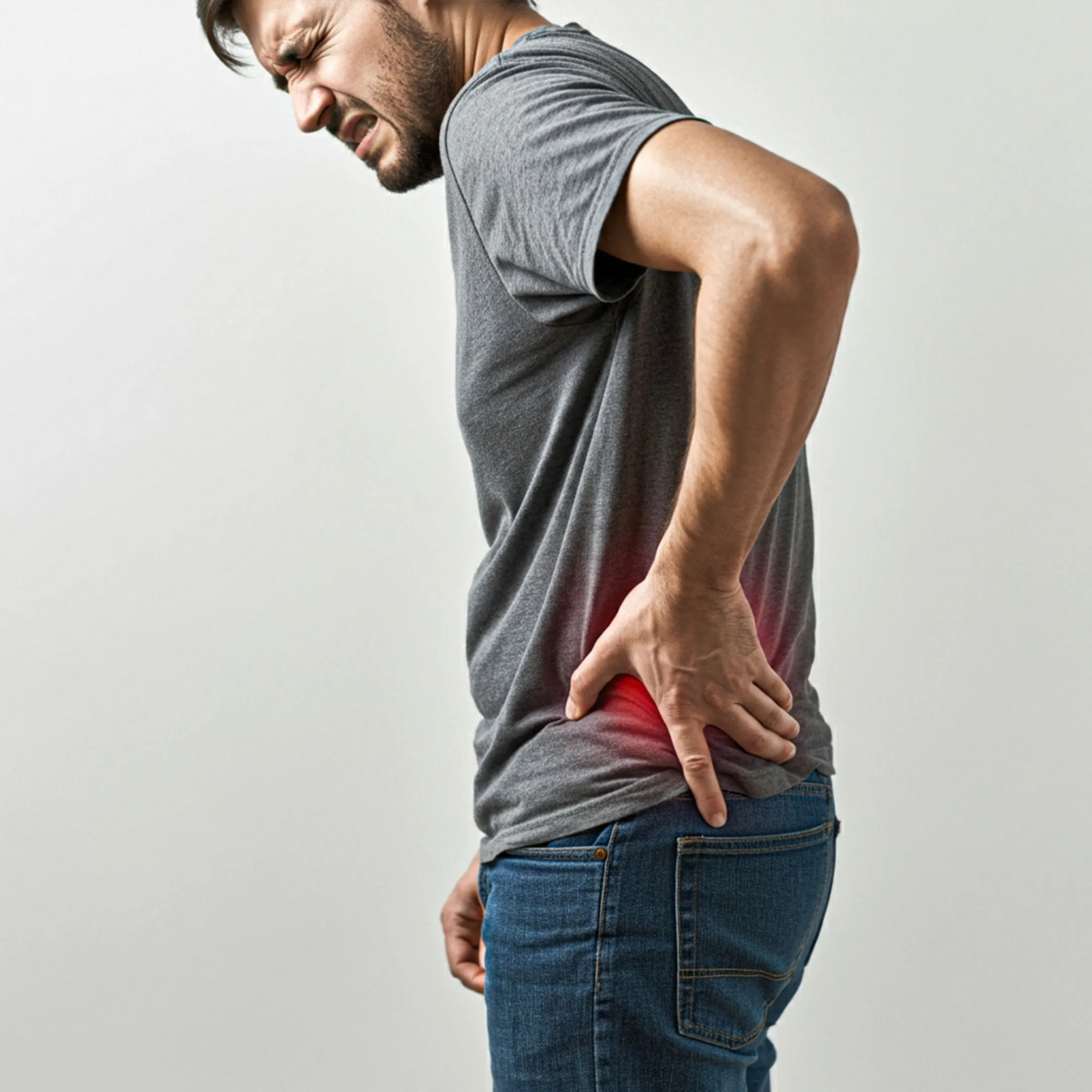

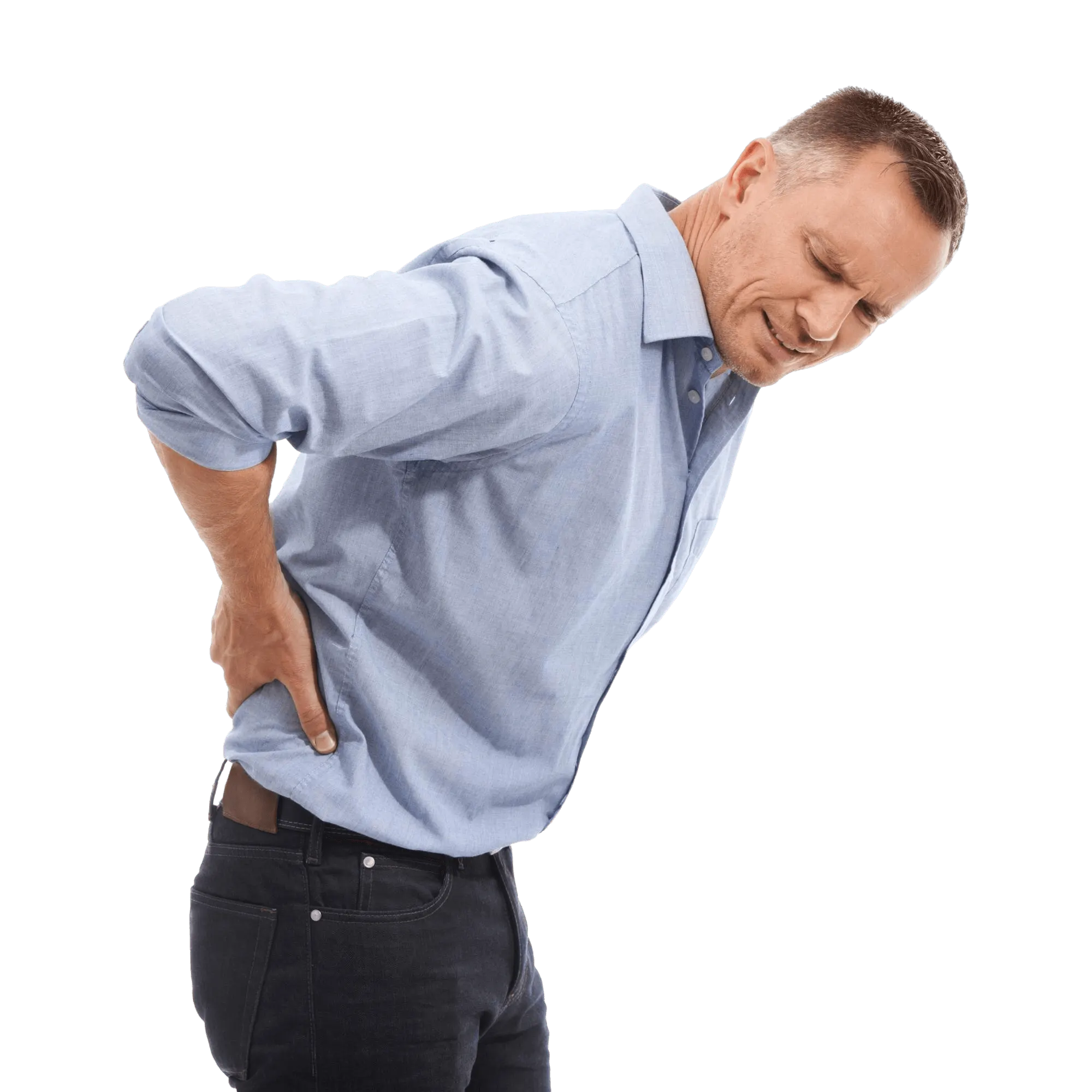

Chiropractor assessing hip joint alignment in a clinical setting in Alma, GA

Hip Pain Treatment in Alma, GA

Reclaim Your Mobility and Comfort

Common In:Adults 30+
Primary Causes:Arthritis, Injury, Overuse
Treatment Time:20-45 minutes
Results:2 to 6 weeks
Understanding hip pain at Roots Chiropractic and Wellness in Alma, GA

What Is Hip Pain?

Recognizing the Signs

Hip pain is a musculoskeletal condition involving discomfort in or around the hip joint, one of the largest weight-bearing joints in the body. At Roots Chiropractic and Wellness in Alma, GA, we treat patients whose hip pain originates from the joint itself, surrounding muscles, tendons, ligaments, or referred sources such as the lumbar spine or sacroiliac joint, presenting as a deep ache, sharp sensation, or persistent stiffness.

When you notice difficulty getting up from a chair, feel a nagging ache after sitting for long periods, or experience stiffness when taking your first steps in the morning, you may be recognizing the early signs of hip joint dysfunction. Chiropractic adjustments can restore proper pelvic alignment and relieve the mechanical stress contributing to your hip discomfort.

Many patients describe hip pain as something that slowly takes over daily activities, making it harder to walk the dog, play with children, or simply move through the day without thinking about their hip. The gradual loss of mobility can feel frustrating and isolating, especially when it limits your ability to stay active.

Factors contributing to hip pain at Roots Chiropractic Alma, GA

Why Hip Pain Happens

Understanding the Root Causes

The hip joint is a ball-and-socket synovial joint designed for a wide range of motion. Articular cartilage lines the femoral head and acetabulum, providing a smooth, low-friction surface. Over time, this cartilage can thin at a rate of roughly 0.1 to 0.2 millimeters per year, particularly after age 40, gradually reducing the joint's ability to absorb shock and distribute load evenly.

As cartilage deteriorates, the underlying bone and surrounding soft tissues compensate by absorbing greater mechanical forces. This increased stress triggers inflammation, which leads to the stiffness, swelling, and pain patients commonly experience. Physical therapy strengthens the muscles surrounding the hip joint, helping distribute load more evenly and reduce pain.

The hip also depends on a network of stabilizing muscles including the gluteus medius, piriformis, and iliopsoas. When these muscles weaken or develop trigger points from prolonged sitting or repetitive strain, they can refer pain deep into the hip joint, creating a cycle of dysfunction that worsens without intervention.


Diagram showing hip biomechanics at Roots Chiropractic and Wellness

Biomechanics & Joint Alignment

How Structural Imbalance Affects Your Hip

The hip joint operates within a kinetic chain that connects the lumbar spine, pelvis, and lower extremities. Proper alignment of the sacroiliac joint and lumbar vertebrae is essential for balanced weight distribution across both hips. When spinal misalignment or pelvic asymmetry occurs, one hip may bear significantly more load than the other, accelerating wear on cartilage and soft tissue.

Proprioceptive feedback, the body's internal sense of joint position, becomes impaired as hip dysfunction progresses. Studies show that patients with chronic hip conditions demonstrate measurably reduced proprioceptive accuracy, meaning the brain receives less reliable information about joint position. For pregnant patients experiencing hip pain, prenatal chiropractic care offers safe, specialized adjustments that address the unique pelvic changes of pregnancy.

Prolonged sitting, a common factor in modern lifestyles, causes adaptive shortening of the hip flexors while the gluteal muscles gradually weaken. This anterior pelvic tilt shifts the hip joint's center of rotation, increasing contact stress on the cartilage and contributing to both mechanical pain and referred discomfort in the groin, thigh, or knee.

Lifestyle factors affecting hip pain at Roots Chiropractic and Wellness Alma

What Accelerates Hip Pain?

Identifying Your Triggers

01

Age-Related Degeneration

Cartilage naturally thins with age, reducing shock absorption and increasing bone-on-bone contact that leads to stiffness and inflammation in the hip joint.

02

Sedentary Lifestyle

Prolonged sitting weakens gluteal muscles and tightens hip flexors, creating muscular imbalances that alter joint mechanics and increase stress on the hip.

03

Repetitive Strain

Activities involving repetitive hip motion such as running, cycling, or standing for extended hours can cause overuse injuries to tendons, bursae, and surrounding soft tissues.

04

Spinal Misalignment

Subluxations in the lumbar spine or sacroiliac joint disrupt the kinetic chain, causing uneven weight distribution that places excess load on one or both hips.

05

Previous Injury

Prior hip, pelvic, or lower back injuries may lead to scar tissue formation and altered movement patterns that predispose the joint to chronic pain over time.

06

Excess Body Weight

Additional body weight increases the compressive forces across the hip joint with every step, accelerating cartilage breakdown and increasing inflammation.

Roots Chiropractic and Wellness clinic interior in Alma, Georgia

Why Choose Roots Chiropractic and Wellness

Expert Care in Alma

  • Comprehensive Hip & Pelvic Assessments
  • Targeted Adjustments & Therapy
  • Personalized Pain Relief Plans
  • Integrated Care for Mobility and Stability

Treatment Options Comparison

Finding Your Best Approach

Treatment Best For Session Time Results Timeline Maintenance
Chiropractic Adjustments Joint alignment & mobility 20-30 min 2-4 weeks Monthly
Physical Therapy Strength & flexibility 30-45 min 4-6 weeks As needed
Prenatal Chiropractic Pregnancy-related hip pain 15-25 min 1-3 weeks Weekly during pregnancy
Candidate for hip pain treatment at Roots Chiropractic and Wellness Alma

You May Be Experiencing Hip Pain If...

Recognizing When to Seek Help

  • Morning Stiffness
  • Difficulty Sitting
  • Limited Range of Motion
  • Pain During Activity
  • Nighttime Discomfort
  • Compensatory Limping

Frequently Asked Questions

About Hip Pain

01 Can I prevent hip pain from getting worse?

In many cases, yes. Regular movement, maintaining a healthy weight, and strengthening the muscles around your hip can slow progression. However, structural misalignments or joint degeneration typically require professional care such as chiropractic adjustments to address the underlying cause effectively.

02 How do I know which treatment is right for my hip pain?

A thorough evaluation by Dr. Tillman assesses your joint alignment, range of motion, and muscular function to determine whether chiropractic adjustments, physical therapy, or a combination approach will be most effective for your specific condition.

03 How quickly will I see improvement in my hip pain?

Many patients notice reduced stiffness and improved mobility within the first two to three visits. Longer-term improvements in strength and pain relief typically develop over four to six weeks of consistent care, depending on the severity and underlying cause.

04 Is hip pain a normal part of aging?

While age-related cartilage changes are common, persistent hip pain is not something you simply have to accept. Many age-related hip conditions respond well to conservative care that restores joint mechanics and strengthens surrounding musculature.

05 Can sitting at a desk all day contribute to my hip pain?

Prolonged sitting is one of the most common contributors to hip dysfunction. It shortens the hip flexors, weakens the gluteal muscles, and alters pelvic alignment, all of which increase stress on the hip joint over time.

06 Can chiropractic care and physical therapy be combined for hip pain?

Absolutely. Many patients benefit from combining chiropractic adjustments to restore joint alignment with physical therapy exercises to strengthen supporting muscles. This integrated approach addresses both structural and functional aspects of hip pain.

07 When should I see a professional about my hip pain?

If your hip pain persists for more than a few days, limits your daily activities, disrupts your sleep, or causes you to change the way you walk, it is a good time to schedule a professional evaluation to identify the cause and prevent further decline.

08 Is hip pain related to mobility limitations or chronic pain conditions?

Hip pain and mobility limitations often go hand in hand. Untreated hip dysfunction can lead to broader chronic pain patterns as the body compensates through altered posture and gait. Addressing hip pain early can help prevent these secondary conditions from developing.

Location133 GA Hwy 32 Bypass, Suite A
Alma, GA, 31510

Schedule Your Consultation

Scientific References

  1. PubMed (PMID: 25773941 [VERIFY PMID]) - Chiropractic spinal manipulative therapy is associated with significant improvements in hip pain and function in patients with hip osteoarthritis.
  2. PubMed (PMID: 29150216 [VERIFY PMID]) - Exercise therapy, including strengthening and flexibility programs, demonstrates moderate to strong evidence for reducing hip pain and improving physical function.
  3. PubMed (PMID: 27637004 [VERIFY PMID]) - Manual therapy combined with exercise produces clinically meaningful improvements in pain and disability for patients with hip osteoarthritis compared to exercise alone.
  4. Medical consensus - Articular cartilage in the hip joint undergoes progressive thinning with age, contributing to increased joint stress and the development of osteoarthritic changes in weight-bearing joints.
  5. PubMed (PMID: 30468151 [VERIFY PMID]) - Proprioceptive deficits are present in patients with hip joint pathology, supporting the inclusion of neuromuscular training in conservative rehabilitation programs.