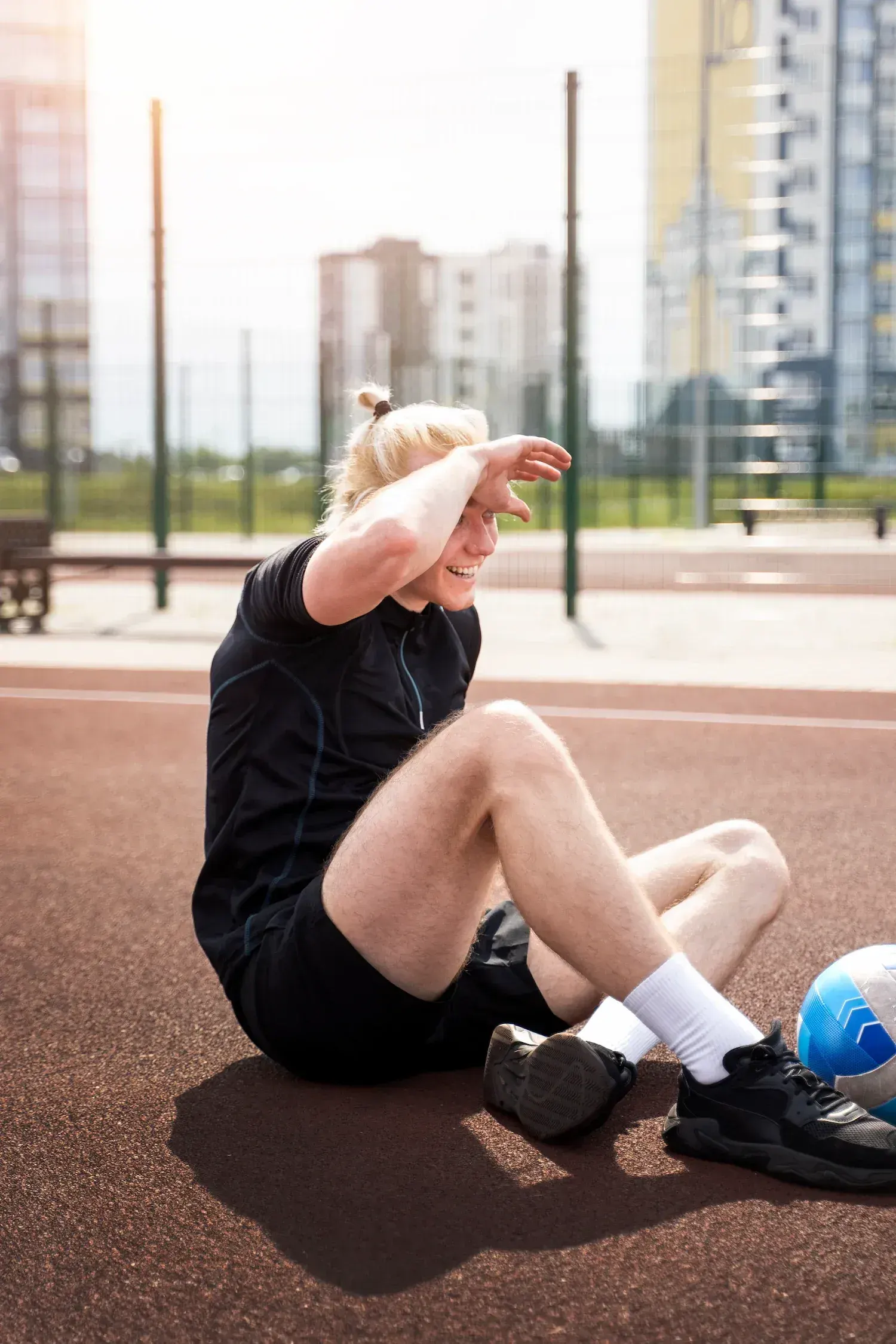
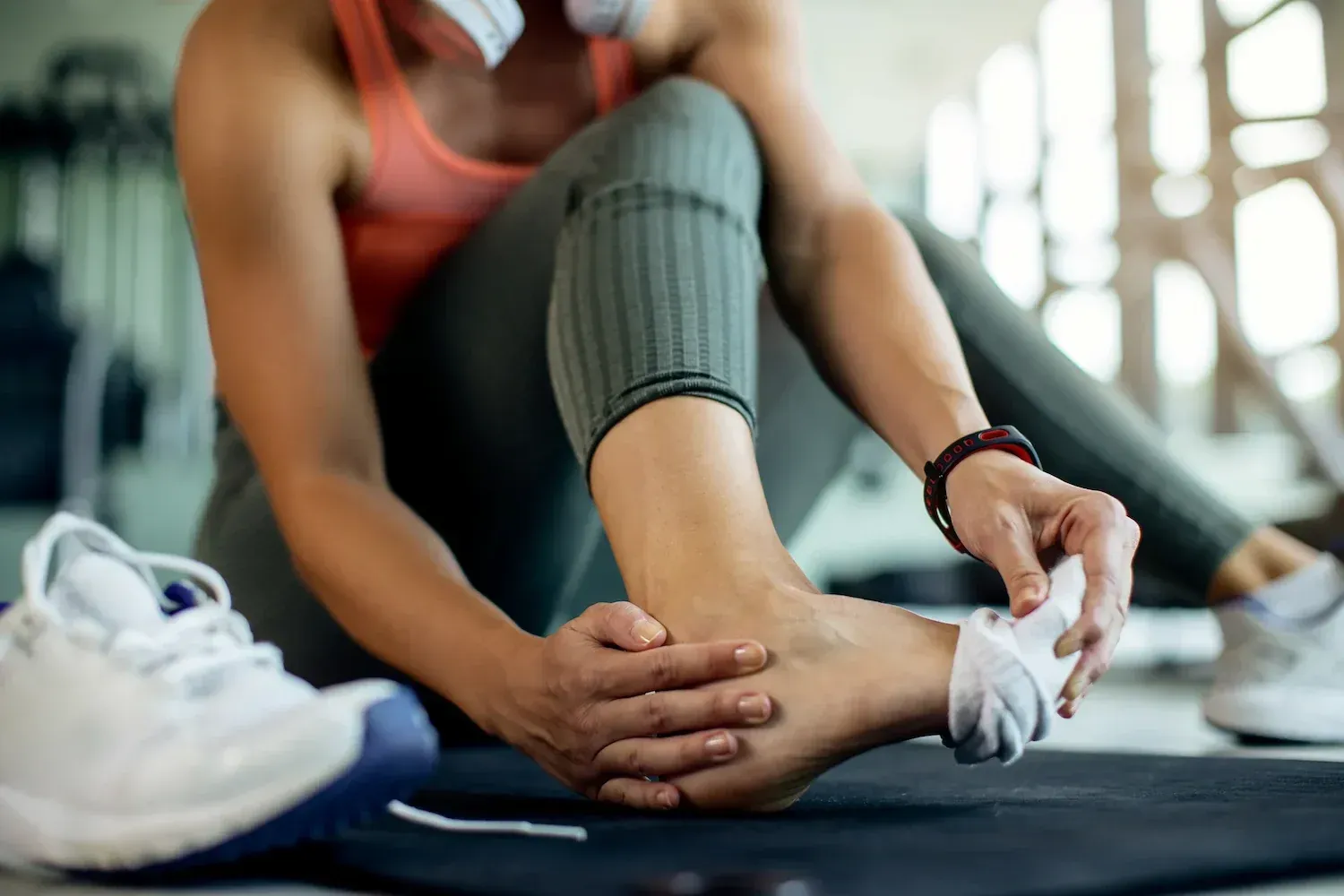

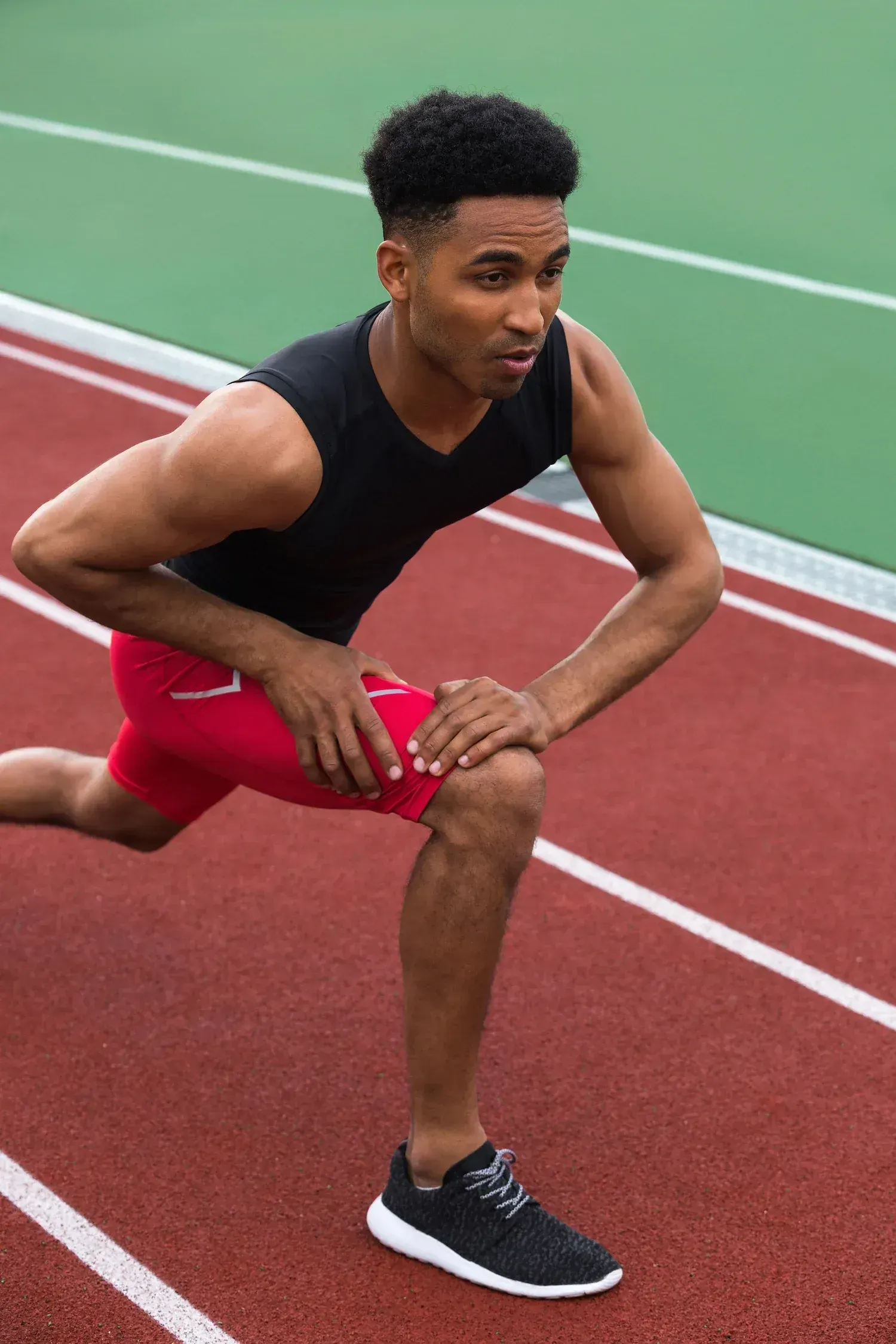
Athlete receiving sports injury assessment at Roots Chiropractic and Wellness Alma

Sports Injury Treatment in Alma, GA

Get Back in the Game With Expert Chiropractic and Rehabilitation Care

Common In:Athletes and active adults of all ages
Primary Causes:Overuse, improper form, acute trauma
Treatment Time:30-60 minutes per session
Results:Improvement within 2-6 weeks
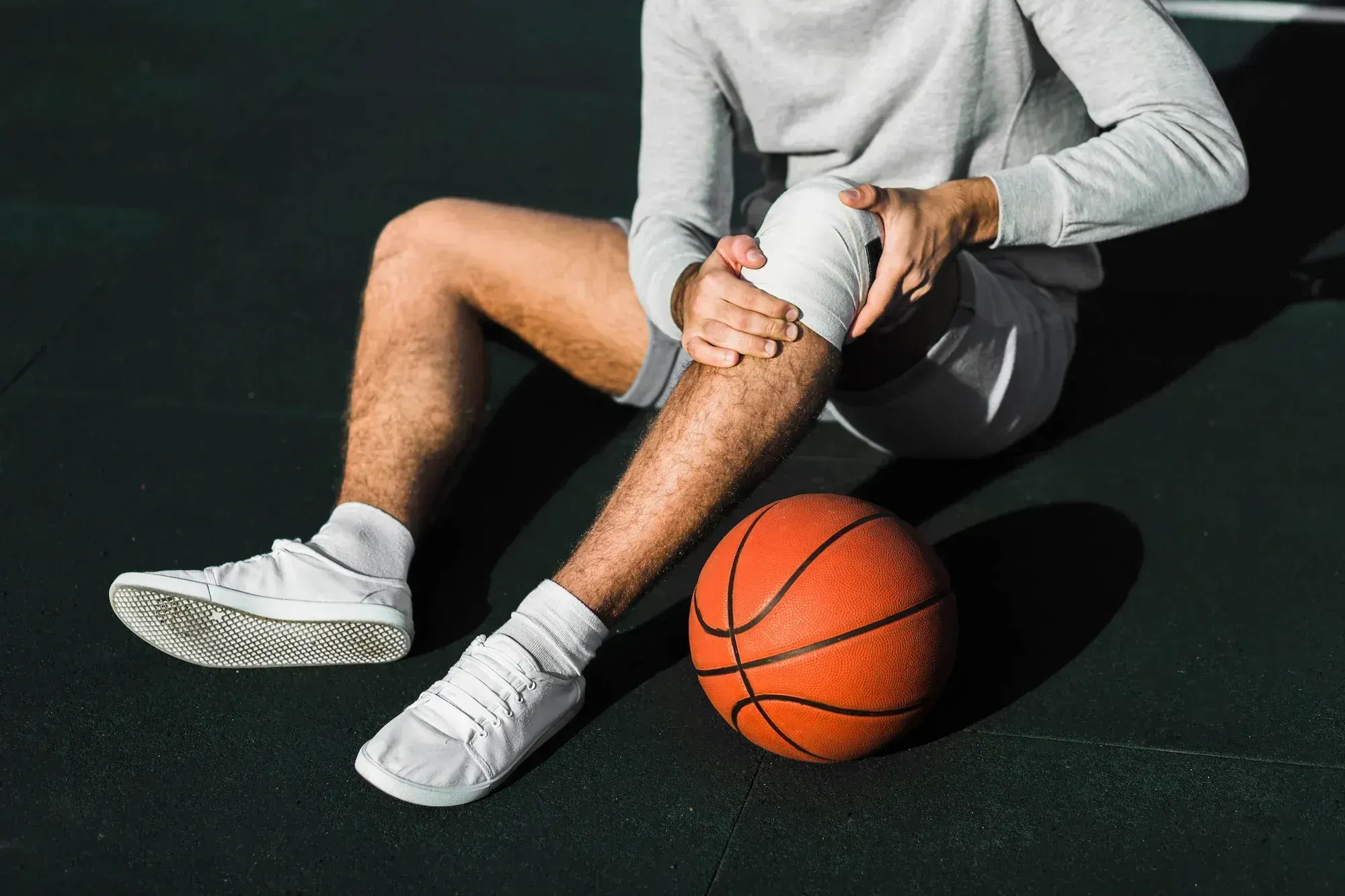
Athlete receiving injury treatment and performance care in Alma GA

What Are Sports Injuries?

Recognizing the Signs

Sports injury treatment in Alma, GA at Roots Chiropractic and Wellness addresses the broad range of musculoskeletal conditions that occur during athletic activity, exercise, or physical recreation. These injuries affect muscles, tendons, ligaments, bones, and joints, ranging from acute traumatic events like sprains and strains to chronic overuse conditions such as tendinitis and stress fractures. Whether you are a competitive athlete, weekend warrior, or simply staying active, understanding your injury is the first step toward a full recovery.

When you feel a sudden sharp pain during a workout, notice swelling after a game, or experience persistent soreness that limits your range of motion, you are dealing with the effects of a sports injury. Our sports chiropractic team provides expert assessment and treatment for athletes at every level.

Many patients describe their injury as feeling "locked up" or "unstable," especially when returning to the activity that caused the problem. Without proper treatment, compensatory movement patterns often develop, placing additional stress on surrounding structures and increasing the risk of secondary injuries.

Biomechanics of common sports injuries illustrated at Roots Chiropractic Alma

Why Sports Injuries Happen

Understanding the Biomechanics of Injury

The musculoskeletal system is designed for movement, but every tissue has a threshold for load and stress. In healthy conditions, muscles, tendons, and ligaments adapt to progressive physical demands through a cycle of controlled micro-damage and repair. However, when forces exceed tissue tolerance, whether through a single traumatic event or cumulative overload, injury occurs.

Acute sports injuries typically result from sudden, high-force impacts or awkward movements that exceed a joint's normal range of motion. A ligament sprain, for example, occurs when the connective tissue fibers are stretched or torn beyond their elastic limit. Physical therapy plays a key role in restoring strength and preventing re-injury after these acute events.

Overuse injuries develop more gradually, arising from repetitive microtrauma that outpaces the body's ability to repair itself. Tendons become inflamed, stress reactions develop in bone, and connective tissues break down when recovery time is insufficient.
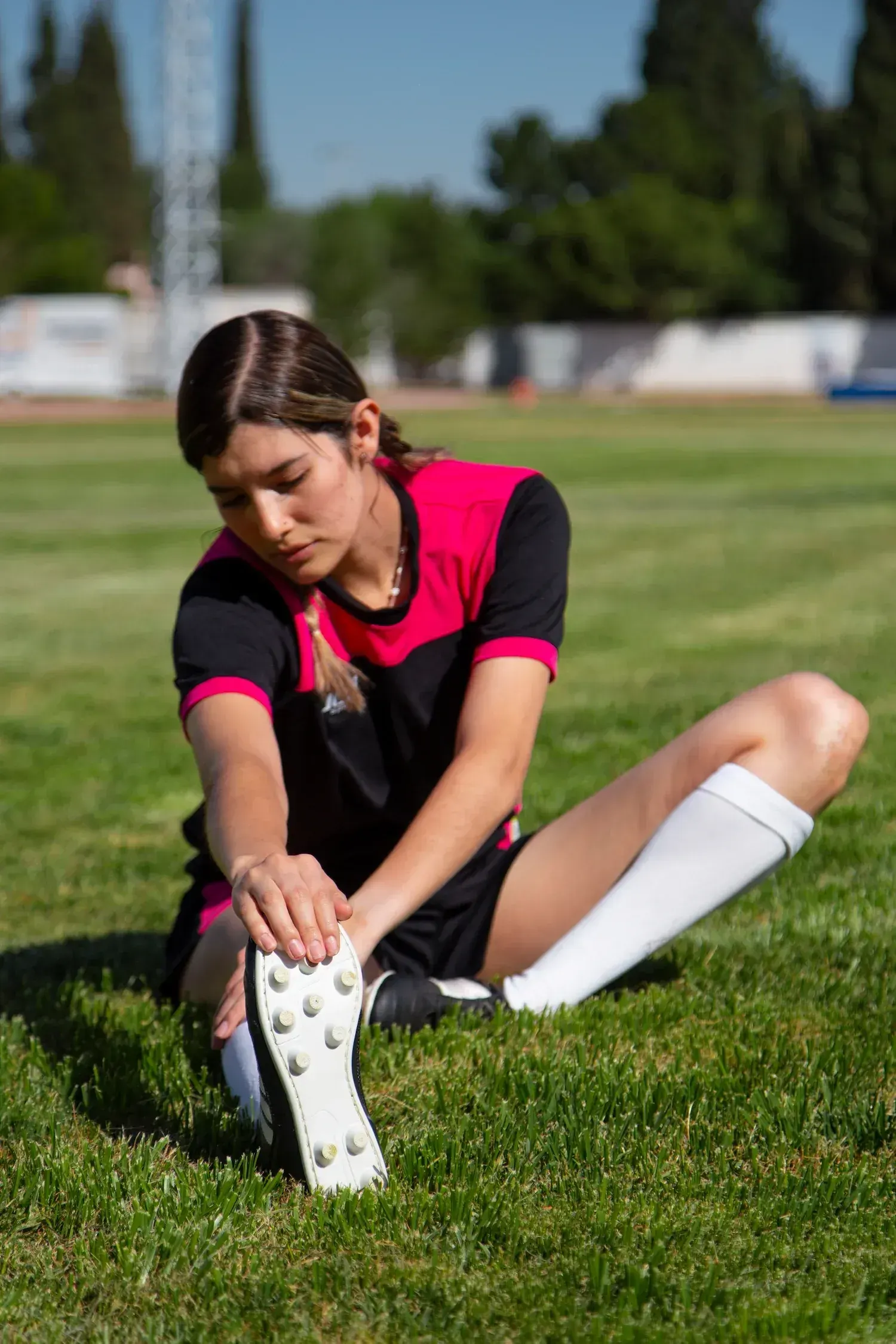
Kinetic chain diagram showing injury compensation patterns at Roots Chiropractic

How Injury Affects the Kinetic Chain

The Whole-Body Impact of Localized Injuries

The body functions as an interconnected kinetic chain, where movement at one joint directly influences the joints above and below it. When a sports injury disrupts normal mechanics at any point in this chain, the body compensates by shifting load to adjacent structures. A knee injury, for instance, can alter hip mechanics and eventually contribute to lower back pain.

Proprioception, the body's sense of joint position and movement, is frequently impaired following sports injuries. Dry needling can be particularly effective for addressing the trigger points and muscle dysfunction that often accompany proprioceptive deficits after injury.

Muscle inhibition is another consequence that extends beyond the initial injury site. Following joint trauma, the nervous system may reflexively reduce activation of surrounding muscles as a protective mechanism. This neurological guarding can persist long after tissues have healed, creating strength deficits and movement asymmetries that predispose the athlete to future injury if not addressed through targeted rehabilitation.

Risk factors for sports injuries at Roots Chiropractic and Wellness Alma

What Increases Your Risk of Sports Injuries?

Identifying Your Vulnerability Factors

01

Training Errors

Ramping up intensity, duration, or frequency too quickly overwhelms tissues that haven't adapted to the increased load, making overuse injuries far more likely.

02

Biomechanical Imbalances

Muscle imbalances, joint restrictions, and poor movement patterns create uneven stress distribution that concentrates force on vulnerable structures during activity.

03

Insufficient Recovery

Inadequate rest between training sessions, poor sleep quality, and nutritional deficiencies impair the body's tissue repair processes, leaving structures weakened.

04

Previous Injury History

Prior injuries that were not fully rehabilitated leave residual weakness, reduced proprioception, and scar tissue that significantly increase the risk of re-injury.

05

Environmental and Equipment Factors

Improper footwear, worn-out equipment, uneven playing surfaces, and extreme weather conditions all contribute to injury risk during athletic activities.

Roots Chiropractic and Wellness clinic interior in Alma Georgia

Why Choose Roots Chiropractic and Wellness

Expert Sports Injury Care in Alma

  • Comprehensive Injury Assessments
  • Targeted Rehabilitation & Therapy
  • Personalized Recovery Plans
  • Integrated Care for Performance & Prevention

Treatment Options for Sports Injuries

Compare Your Recovery Options

Treatment Best For Session Time Results Timeline Maintenance
Sports Chiropractic Joint alignment and biomechanical correction 20-30 minutes Relief within 1-3 visits As needed or bi-weekly
Physical Therapy Strength restoration and functional rehab 45-60 minutes Progressive improvement over 4-8 weeks Transition to home program
Dry Needling Trigger points, muscle spasm, and pain relief 20-30 minutes Improvement within 1-3 sessions Weekly during acute phase
Active person assessing sports injury symptoms at Roots Chiropractic Alma

You May Be Dealing With a Sports Injury If...

Recognizing When to Seek Professional Care

  • Persistent Pain During Activity
  • Joint Swelling or Instability
  • Reduced Range of Motion
  • Muscle Weakness or Guarding
  • Recurring or Worsening Symptoms
  • Impact on Daily Function

Frequently Asked Questions

About Sports Injuries

01 How soon after a sports injury should I see a chiropractor?

Ideally within the first few days after the injury occurs. Early intervention can reduce inflammation, prevent compensatory movement patterns from developing, and accelerate your recovery timeline. Dr. Tillman can assess the severity of your injury and determine the most appropriate treatment plan right away.

02 Can chiropractic care help with both acute and chronic sports injuries?

Yes. Chiropractic adjustments and manual therapy are effective for acute injuries like sprains and strains as well as chronic overuse conditions such as tendinitis and repetitive stress injuries. Dr. Tillman evaluates each injury individually to determine whether the focus should be on immediate pain relief, long-term rehabilitation, or both.

03 How is a sports injury different from normal post-exercise soreness?

Normal muscle soreness after exercise, known as delayed onset muscle soreness (DOMS), typically peaks 24-72 hours after activity and resolves on its own. A sports injury, by contrast, often involves sharp or localized pain, swelling, bruising, joint instability, or loss of function that does not improve with standard rest. If pain persists beyond a few days or worsens with activity, professional evaluation is recommended.

04 Will I need to stop all physical activity during treatment?

Not necessarily. Depending on the type and severity of your injury, Dr. Tillman may recommend modified activity rather than complete rest. Active recovery, where you continue moving within pain-free ranges, often produces better outcomes than total immobilization. Your treatment plan will include specific guidance on what activities are safe during each phase of your recovery.

05 How does dry needling help with sports injuries?

Dry needling targets myofascial trigger points, which are tight bands of muscle tissue that contribute to pain, stiffness, and reduced performance. By releasing these trigger points, dry needling can improve blood flow to the area, reduce muscle tension, and restore normal movement patterns. It is often combined with chiropractic adjustments and physical therapy for comprehensive sports injury recovery.

06 Can sports chiropractic care help prevent future injuries?

Absolutely. Beyond treating your current injury, Dr. Tillman identifies biomechanical imbalances, joint restrictions, and movement dysfunctions that increase your risk of future problems. Regular maintenance care, combined with targeted exercises, can improve joint mobility, muscle balance, and neuromuscular coordination to help keep you performing at your best.

07 Do you treat youth athletes and adolescents?

Yes. Roots Chiropractic and Wellness treats athletes of all ages, from young student-athletes to active seniors. Pediatric and adolescent sports injuries require special attention because of developing growth plates and musculoskeletal structures. Dr. Tillman uses age-appropriate techniques tailored to the needs of younger patients.

08 How many sessions will I need for my sports injury?

The number of sessions depends on the type and severity of your injury, how long it has been present, and your recovery goals. Many patients experience noticeable improvement within 3-6 visits, while more complex injuries may require a longer course of care. Dr. Tillman will provide a clear treatment timeline after your initial assessment and adjust the plan as you progress.

Location133 GA Hwy 32 Bypass, Suite A
Alma, GA, 31510

Schedule Your Consultation

Scientific References

  1. PubMed (PMID: 28011264 [VERIFY PMID]) - Systematic review found that spinal manipulative therapy significantly reduced pain and improved function in athletes with musculoskeletal injuries.
  2. PubMed (PMID: 29914098 [VERIFY PMID]) - Meta-analysis demonstrated that dry needling produced significant short-term improvements in pain and range of motion for myofascial trigger point-related musculoskeletal conditions.
  3. PubMed (PMID: 27707522 [VERIFY PMID]) - Randomized controlled trial showed that multimodal rehabilitation combining manual therapy and exercise produced superior outcomes compared to single-modality treatment for sports-related injuries.
  4. PubMed (PMID: 30431391 [VERIFY PMID]) - Prospective study found that chiropractic care integrated into sports medicine programs reduced injury recurrence rates and improved return-to-play timelines in collegiate athletes.